For assignment purposes I also wanted to include this short body of work I undertook at the start of the course whilst visiting family in France. The project I worked on fell outside the course framework but some of the images did form part of the exercise “Street Photography” in coursework 1. I also saw an opportunity to create a set of street style images that also portrayed a visual narrative, not as an obvious statement, but a story and meaning that clearly links the photographs together.
Execution
Whilst wandering the streets of Morlaix, France, with family in early 2020, I used the opportunity to create a series of imagery that would seek to capture a sense of the historical culture that was on view to me as a photographer. I had my Nikon D800 paired with my 50mm 1.8g lens which would give me the opportunity to play with depth of field and also to shoot consistently in low light conditions if needed. This was often the case as the weather was often fairly cloudy, but this created an esoteric, diffused light that was quite beautiful to work with in this context. I also had the advantage that, if I wanted a wider depth of field for detail, of a narrow the aperture up to f/22. This gave me a great sense of flexibility. I wasn’t particularly interested in shooting people in the series but I knew that the 50mm would also be comfortable to do so if necessary, this gave me confidence in the equipment I had to achieve the images I envisaged and planned.
I also decided to give the images a short title, which compromised of my individual feelings on the photographs whilst adding a sense of enigma to the series.
Final images
Confidently
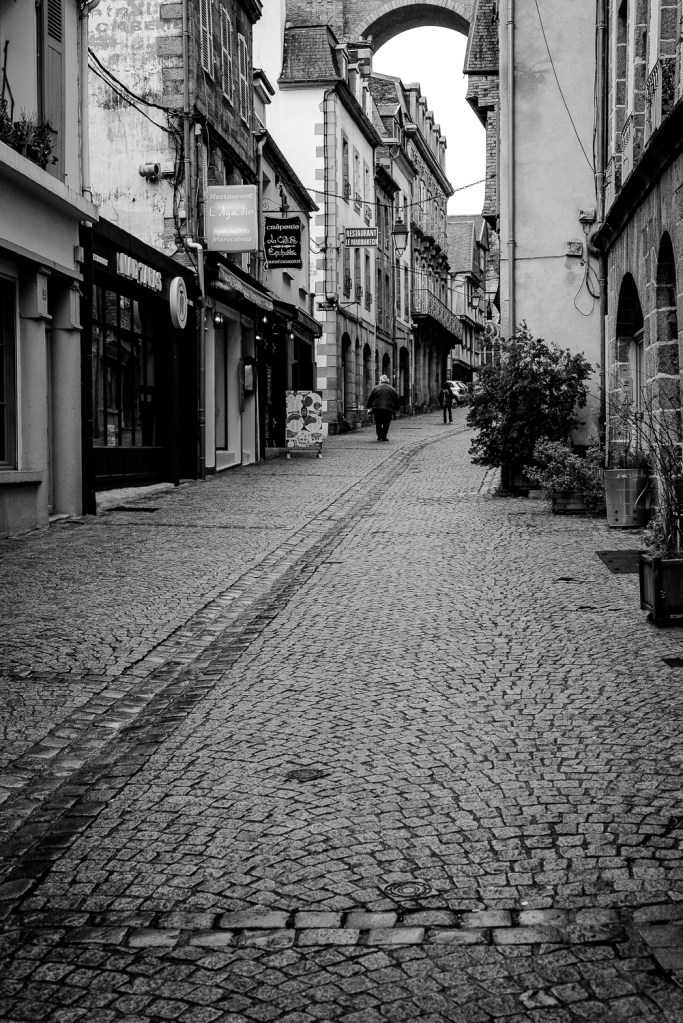
Forgotten (perhaps)
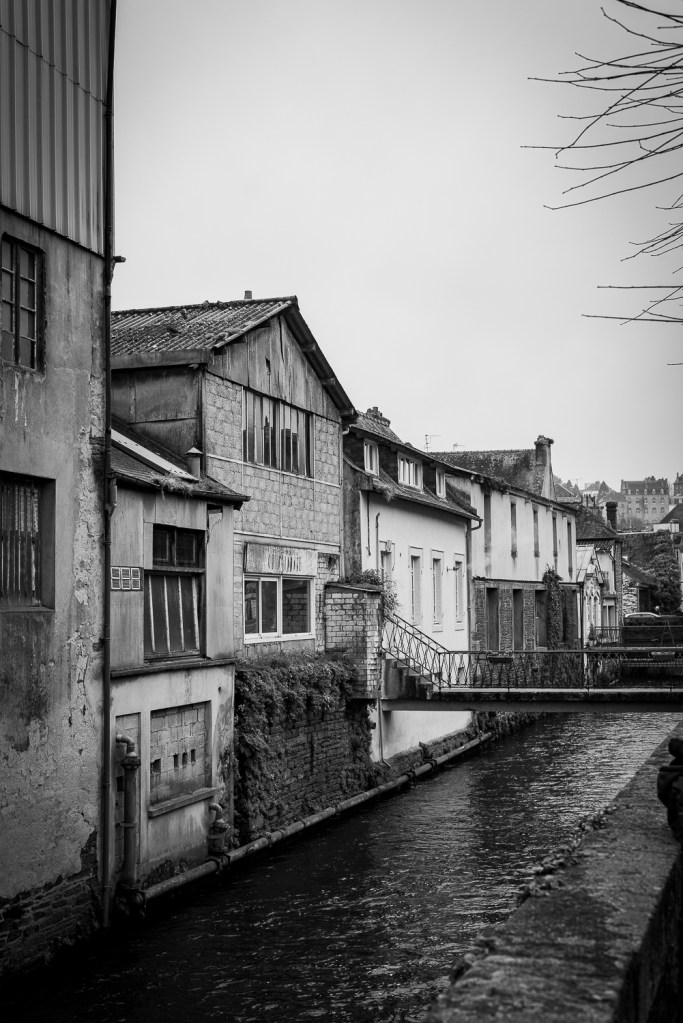
Community spirit
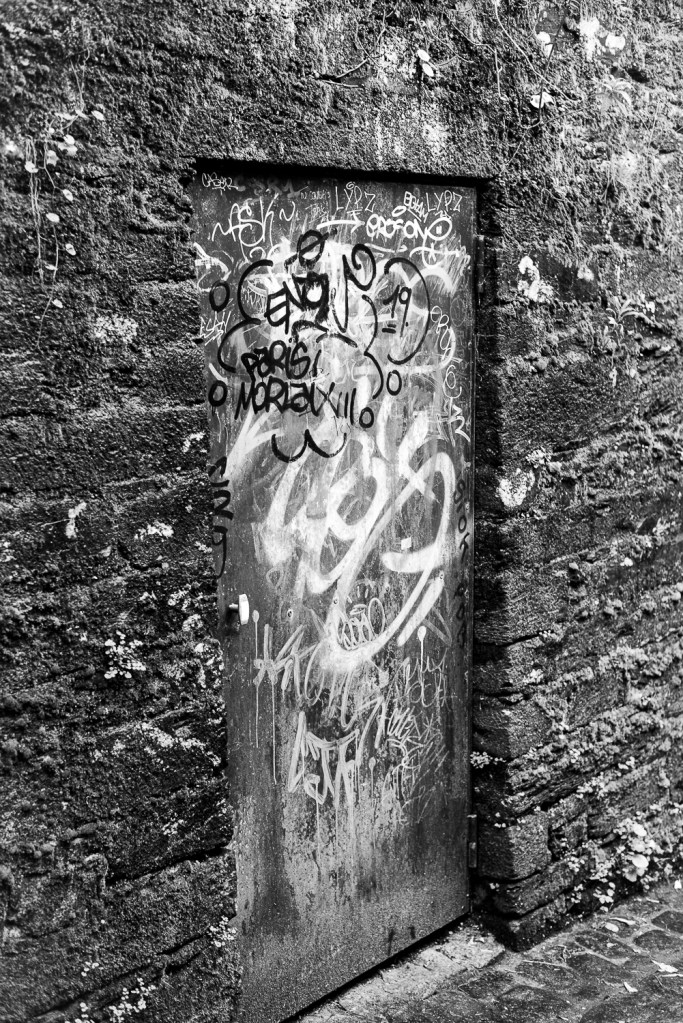
Not forgotten
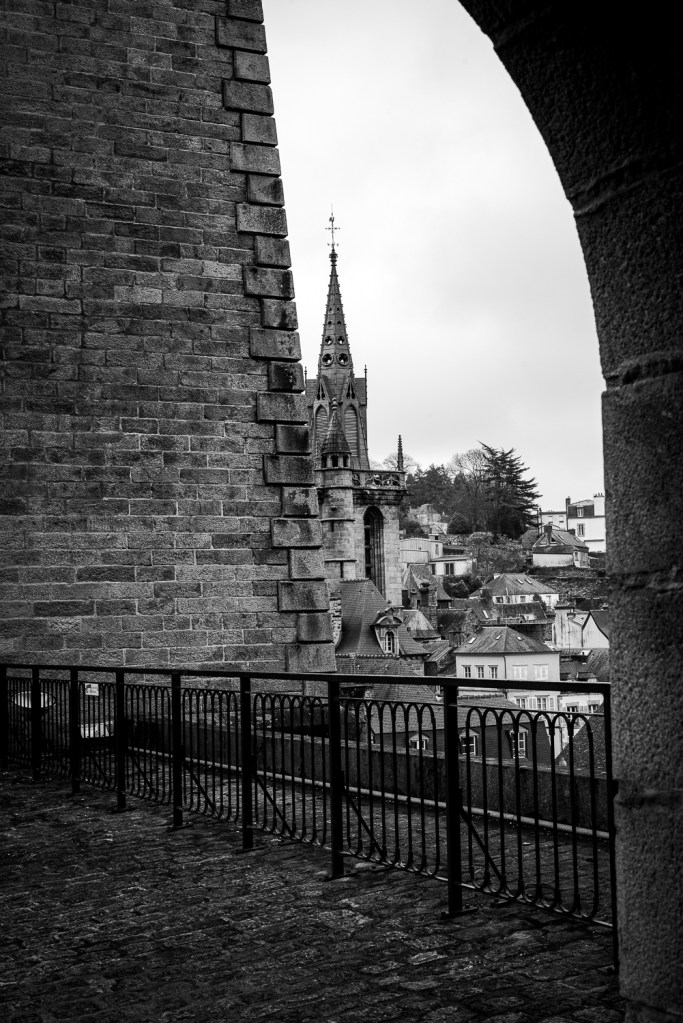
Where next?
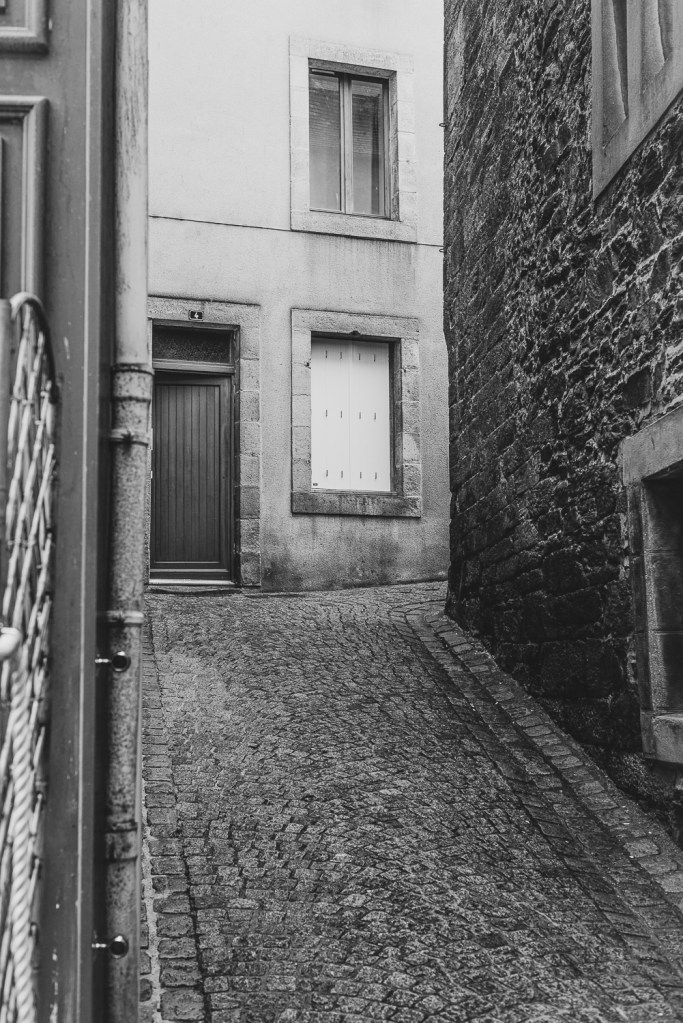
Humility
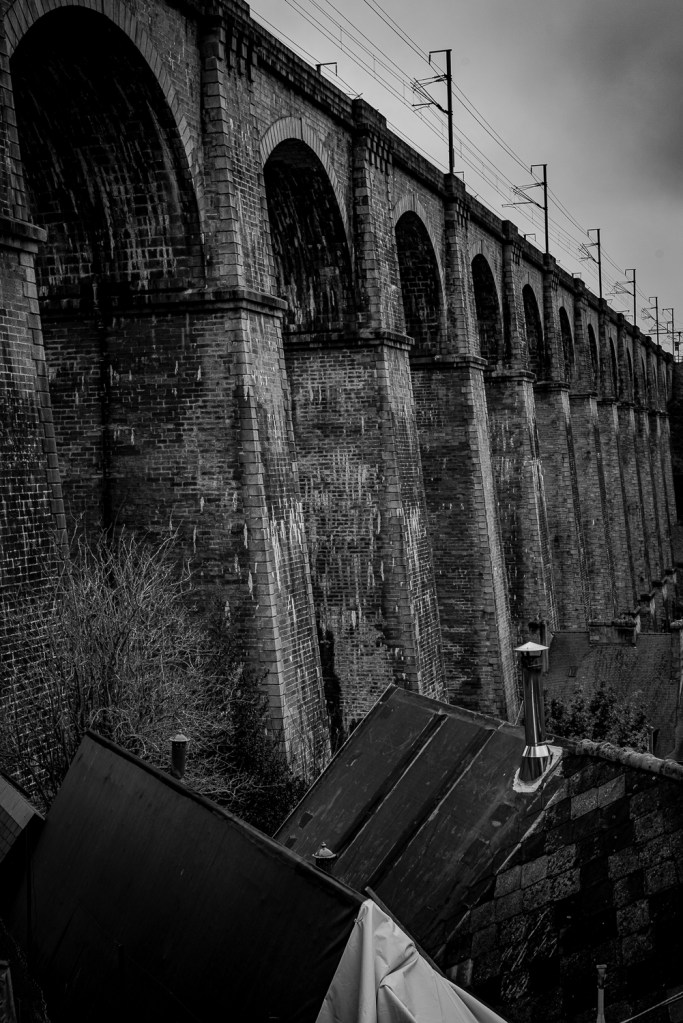
Reliability
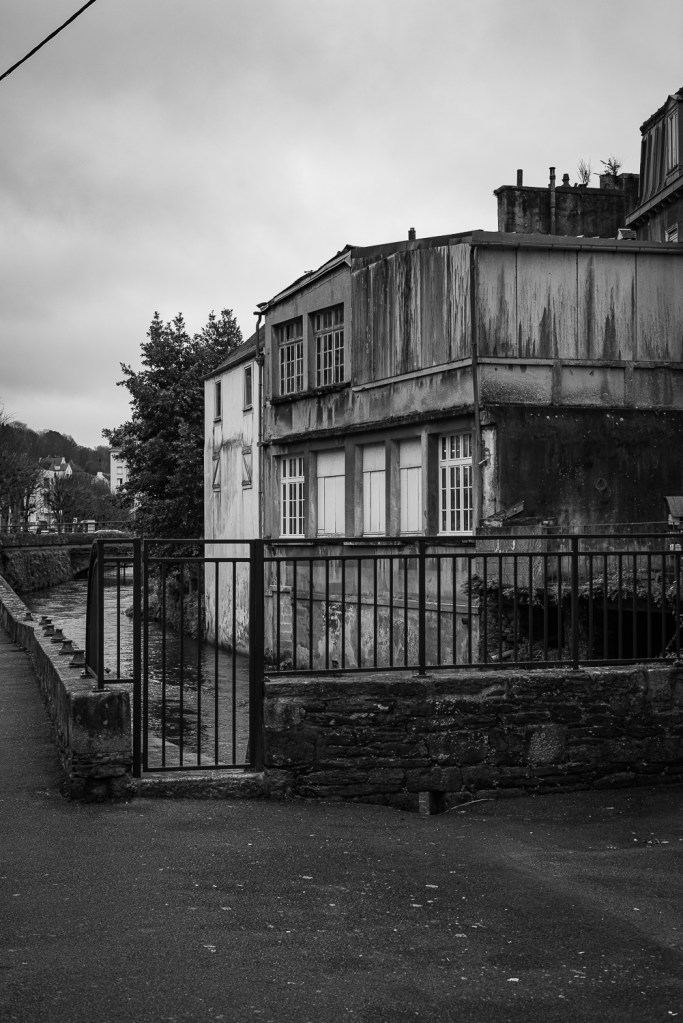
Street life
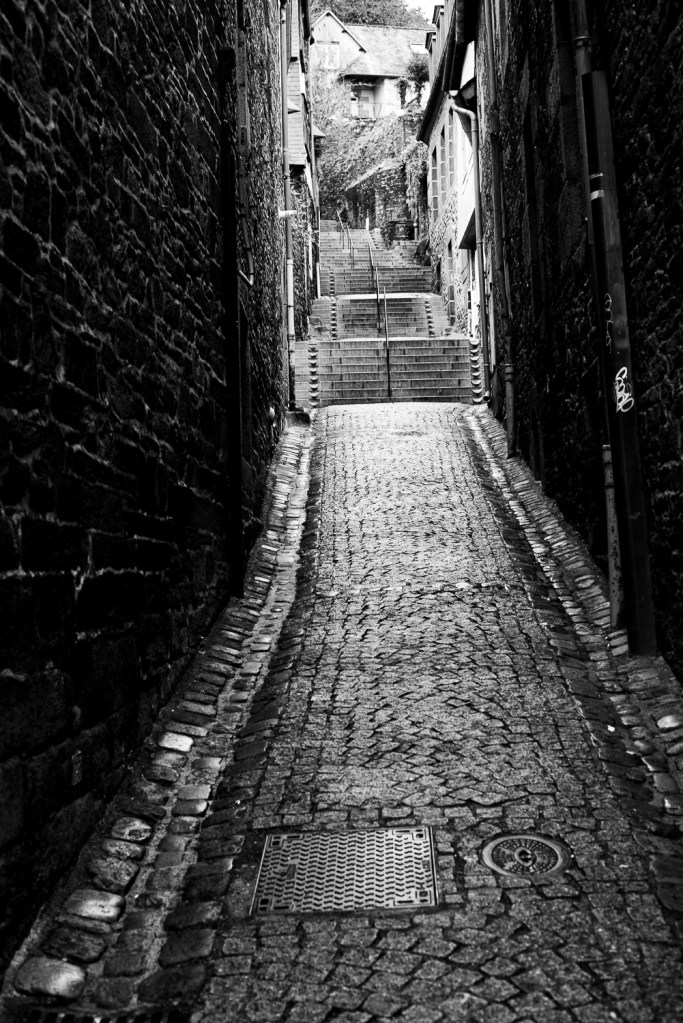
Reflection
Demonstration of technical and visual skills
I can see a clear link to some of the historical practitioners I have researched leading up to and during this body of work, many of whom featured in the previous course book, Expressing Your Vision. My continued use of the 50mm lens whilst in this type of shooting situation can be linked to Henri Career Bresson. I was also particularly interested in the work of Brassai, and it was a perfect opportunity to experiment with his visual aesthetic, influenced by his work in the “Paris by night” series. Although these images were not taken at night, I wanted to emulate that his ethos, mixed with a viewpoint and perspective of some of the earliest images historically produced, such as work produced in Paris by Louis Daguerre. The technical use in the series is evident, and in most conditions I was able to shoot hand held with a moderately fast shutter of around 1/250th coupled with a narrow aperture of f/16 for detail. This has enabled me to lead the eye of the viewer around the frame without any loss of information in the composition.
Quality of outcome
In process I wanted to create a analogue type aesthetic, adding a subtle grain, vignette and obviously a black and white finish. I feel this contextualises the series well, with historical monochrome photography being the benchmark of my vision. I am more than happy with the outcome and feel it is one of my strongest sets of images to date. Although it differs greatly form my work in Assignment 3 – Self portraiture, I do feel that the series has a clear narrative, culminating in a body of work that has a historical impact not only in the information provided in the images but also garnered in my research leading up to executing the photographs.
Demonstration of creativity
In terms of creativity it this set of images, I would suggest that the creativity lies in my chosen viewpoint and perspective. In my reading of John Szarkowski’s “The Photographers Eye”, it was made clear that the photographer is in charge of fractions, millimetres even, when it comes to the where he or she positions themselves when taking an image. It was clear in my head that in this set of images It was about perspective, I had to be exacting when it came to where I stood. I wanted the lines to converge at specific point, I wanted to be exacting when it came to what I left out of the frame. To my mind this is a set that captures the historical culture of Morlaix, a body of work that ultimately narrates a story of the urban landscape.
Context
The context of the images lies in a sense of ambiguity, asking many questions of the viewer. They go some way to symbolise our small place in the environment we inhabit, yet also exasperate at the genius of the man made structure. There is a nod to the mix of historical culture with societies youth, particularly in the image “Community Spirit”. I wanted to demonstrate a photographic journey, leading the eye around a spectacle that is not full, not overflowing, yet giving enough to satisfy any sense of intrigue. I am fascinated by creating a feeling of the unknown with the photograph, the pointing out of things, the unseen, the enigmatic. In agreement with Barthes in Camera Lucida, I have finally began to see rather than just look.
 Dan Towell OCA Context and Narrative