Feelings
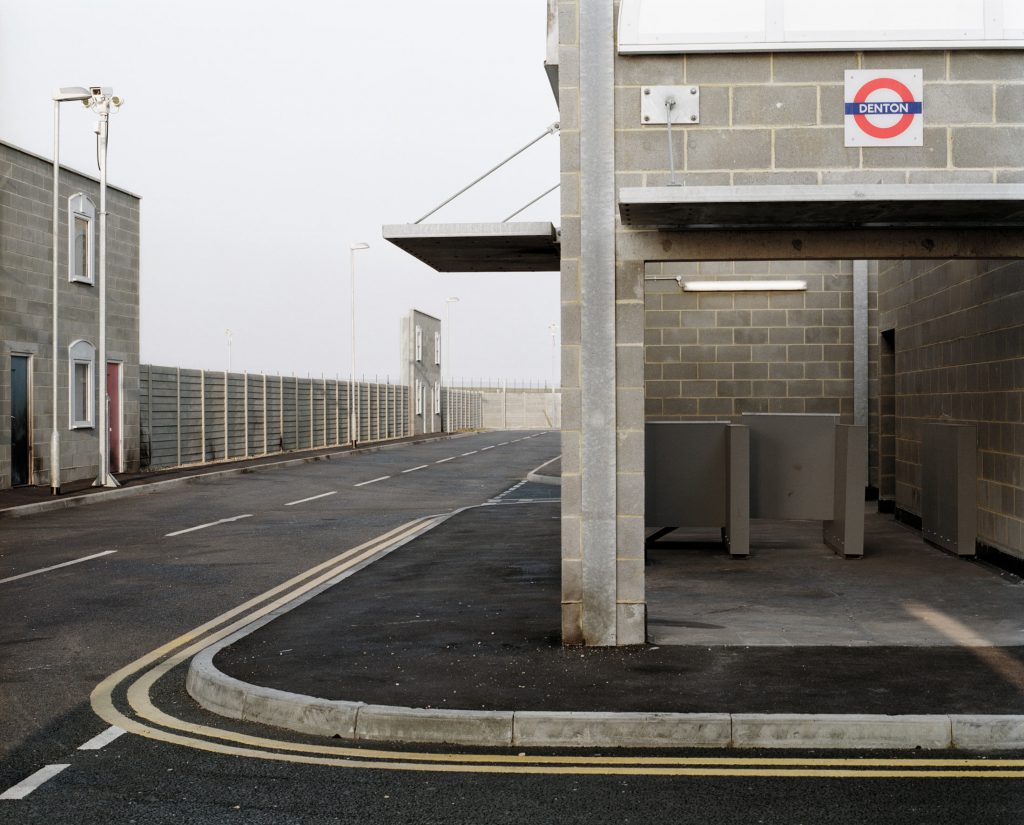
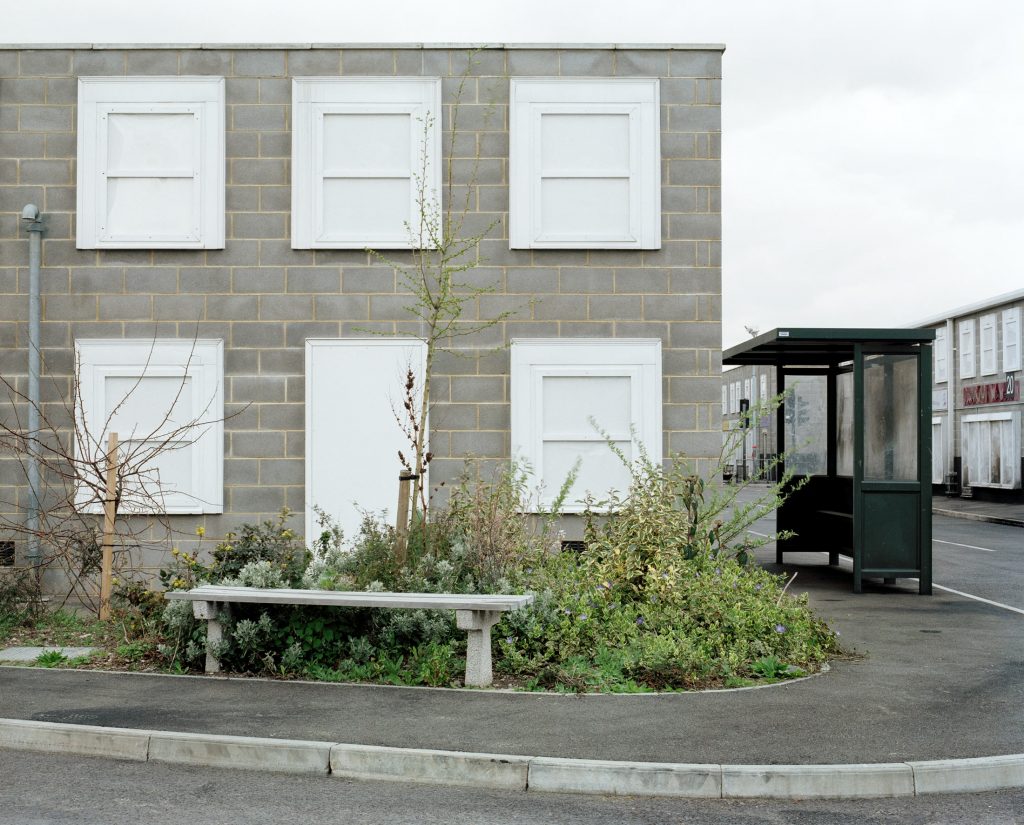
The first feeling I personally have when viewing the set “Public Order” is perhaps not a feeling, but what strikes me is the intelligent use of composition and lines within the frame to add tension to the scenes. I feel quite stunned and amazed at the level of skill in photographing what would seem to be a largely uninteresting scene, whilst giving the viewer only enough information to leave them guessing for more. They suggest a quite unsettling realisation of another world that breathes amongst us, eerily depicted in quite a raw and dramatic fashion. The lack of humanity only adds to the feelings of desolation and fear yet ultimately give insight into the high level training our emergency services deploy. The scattered debris consisting of tyres, wood and shopping trolleys add to the feelings which are almost apocalyptic yet are in fact completely docile. Perhaps its this level of nothingness that makes these images so striking and equally unsettling.
References
Reference – Sarah Pickering – https://www.sarahpickering.co.uk/works/public-order/ (last accessed 5/3/2020)
Documentary
To call this set of images documentary is could be determined misleading but to my mind it would depend on the context of which the images are initially observed. There has to be some level of background information with this type of photography otherwise they become completely transparent and vernacular. It seems that initially the set was put in a completely open context, allowing the viewer to observe the images completely objectively making their own assumptions as to the meaning behind these images. Yes, it is only with a more discerning eye that certain details become more apparent and add to the level of uncertainty around the images and their narrative. Yes, these images are documentary but they are not real. They are used as an interpretation thats looks behind the reality. Yet they do personify reality and that cannot be argued. They are a clinical true to life look into urban society that is often not chronicled in such a stark and disparate way. But can anything that is not entirely real be deemed factual, true to life or fact based? This is an argument that could be matter of discourse for an unlimited amount of reasons, but ultimately for me as a photographer they are a truly remarkable set of pictures that harness the power of the camera and its inherent ability to document. Perhaps some of the most striking images are those of incomplete structures that appear as skeletons of our world, lifeless, cold, devoid of life and reluctantley unfinished. It could be said that this partial appearance only adds to the significance of what is being registered, with their aim “not to reform life but to know it” (The Museum of Modern Art, New Documents (1967).
 Dan Towell OCA Context and Narrative