A poem
The poem I have chosen to interpret through images is “Flowers” by Thomas Hood. I chose this poem firstly because of the time of year currently and the onset of blossoming trees and flowers in the garden and all around us. It for me is a special time of year when we all begin to look forward to summer and those burst of colour that bring us so much joy and intrigue on long summer days. The tale Thomas tells is this poem is very romantic as if he is envisioning falling in love and marrying the flowers that he sees around him. He talks of not being able to woo some flowers for various reasons, highlighting their individual personality in the way they act or behave in their natural environment. Its a poem that leaves the reader to ask many questions about the meaning of these interpretations of flowers, but I quite like its easy understanding that seem to flow with the way the flowers dance in the summer breeze.
Flowers by Thomas Hood (1799 – 1845)
I will not have the mad Clytie,
Whose head is turned by the sun;
The tulip is a courtly queen,
Whom, therefore, I will shun;
The cowslip is a country wench,
The violet is a nun; –
But I will woo the dainty rose,
The queen of everyone.
The pea is but a wanton witch,
In too much haste to wed,
And clasps her rings on every hand
The wolfsbane I should dread; –
Nor will I dreary rosemary
That always mourns the dead; –
But I will woo the dainty rose,
With her cheeks of tender red.
The lily is all in white, like a saint,
And so is no mate for me –
And the daisy’s cheek is tipped with blush,
She is of such low degree;
Jasmine is sweet, and has many loves,
And the broom’s betrothed to the bee; –
But I will plight with the dainty rose,
For fairest of all is she.
Interpretation
The poem to me evokes images of long walks along country lanes, enjoying the late evenings as the sun sets, providing a perfect setting for these colourful flowers that are in bloom. The poem has feelings of warmth and care and eloquently describes the relationship between man and nature, more often that not we overlook. Over the years I’ve become a little more interested in gardening and love the idea of sowing seeds and watching the plants and flowers grow. Maybe this comes with age, but for a long time I didn’t appreciate the beauty of nature and its quiet unassuming presence. This has also been encouraged by me photography and my desire to try new things and take different types of image. I think the poem resonates with me so closely because of this, it seems to almost encompass my current thoughts and feelings quite well.
Images
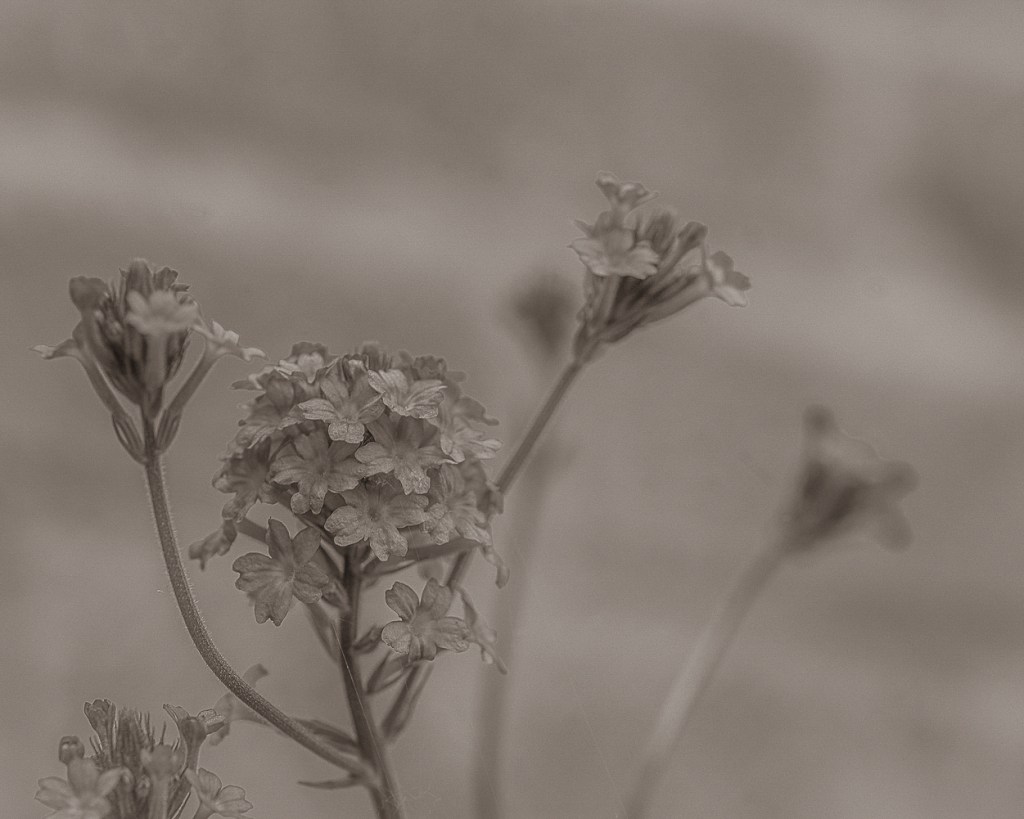
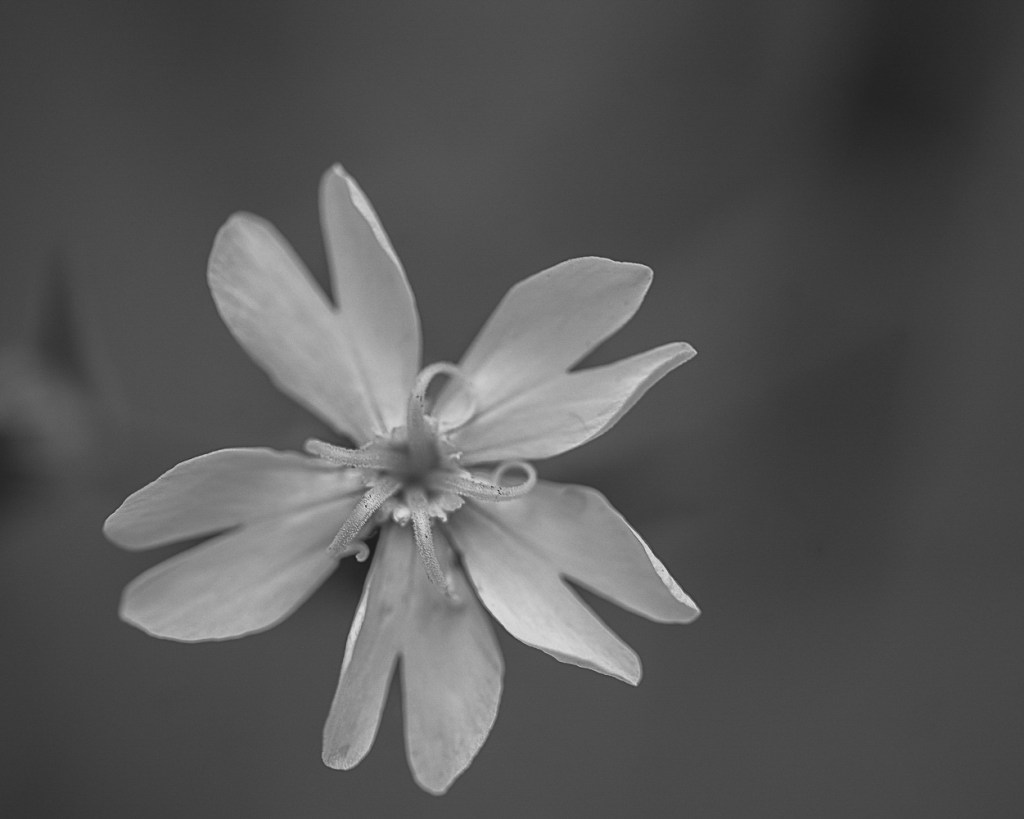
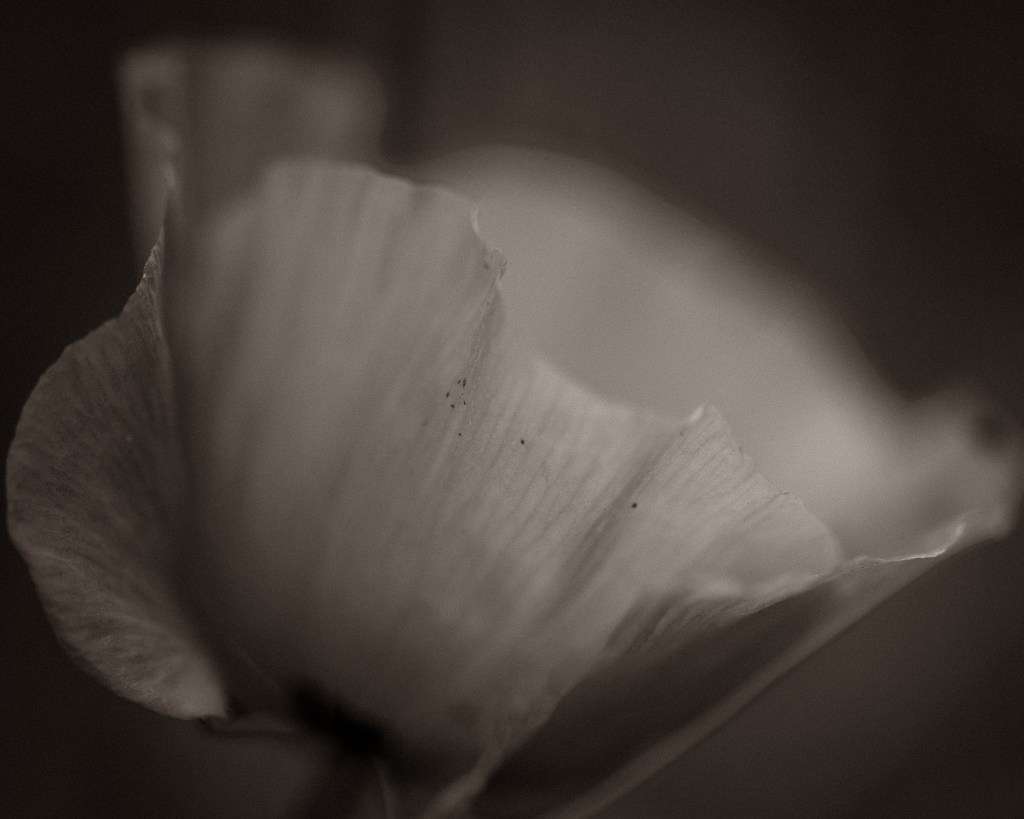
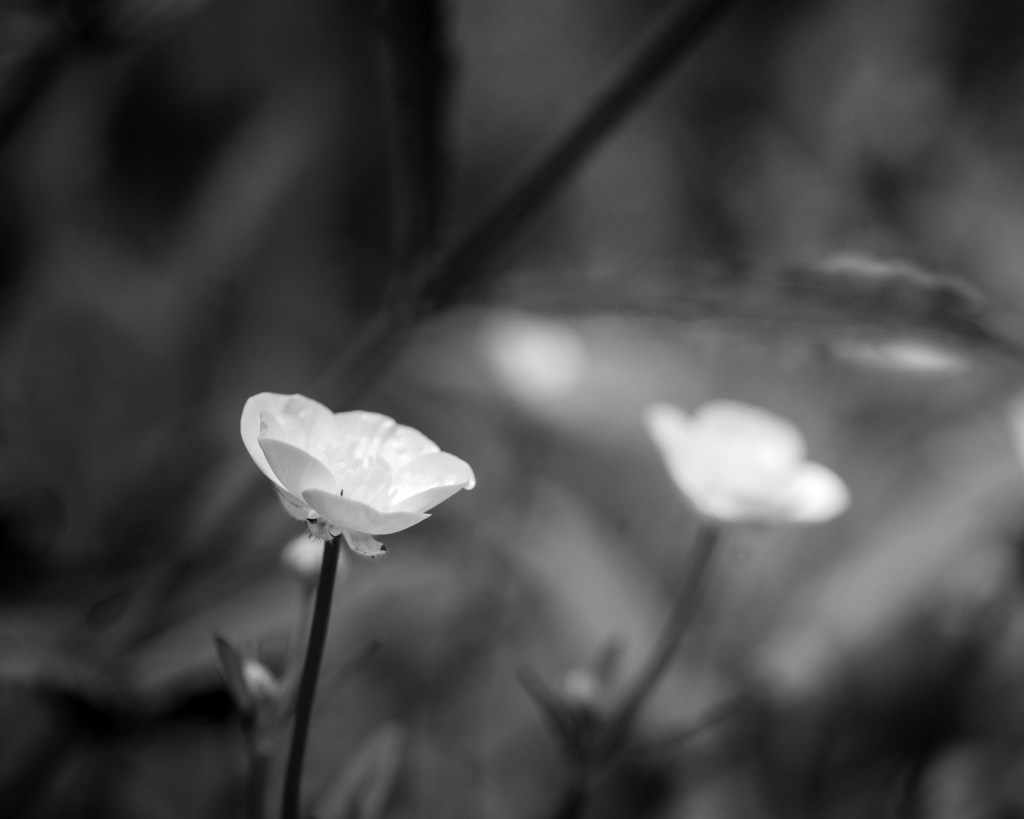
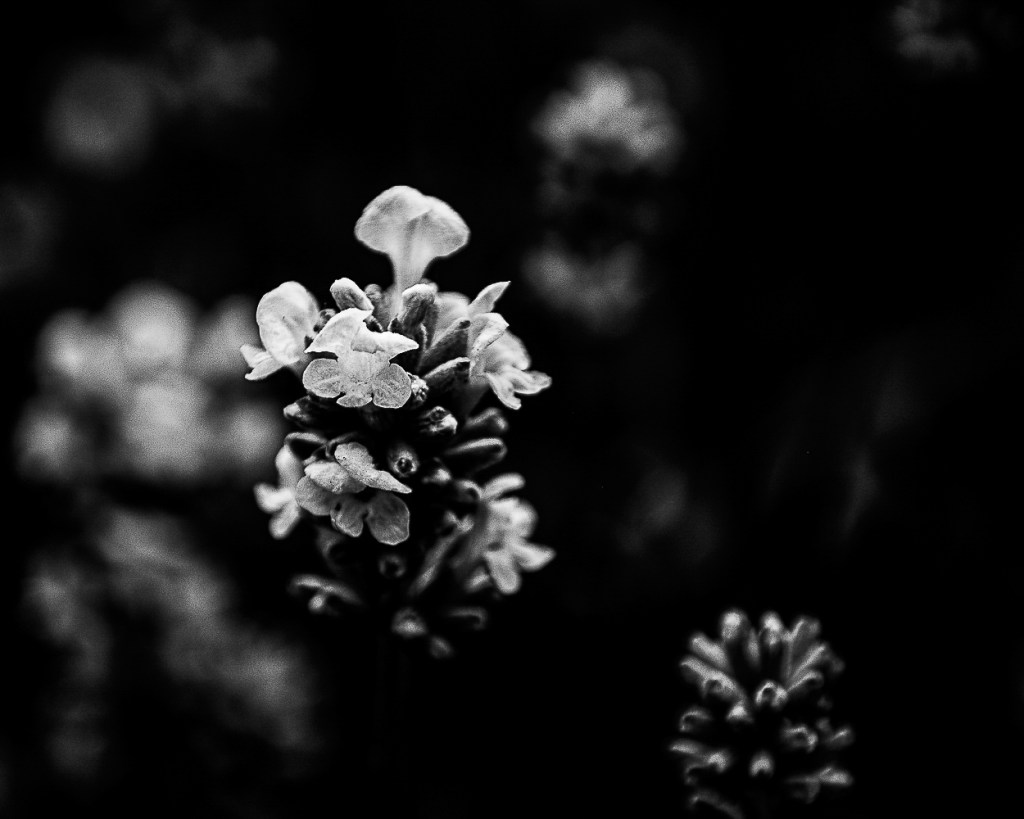
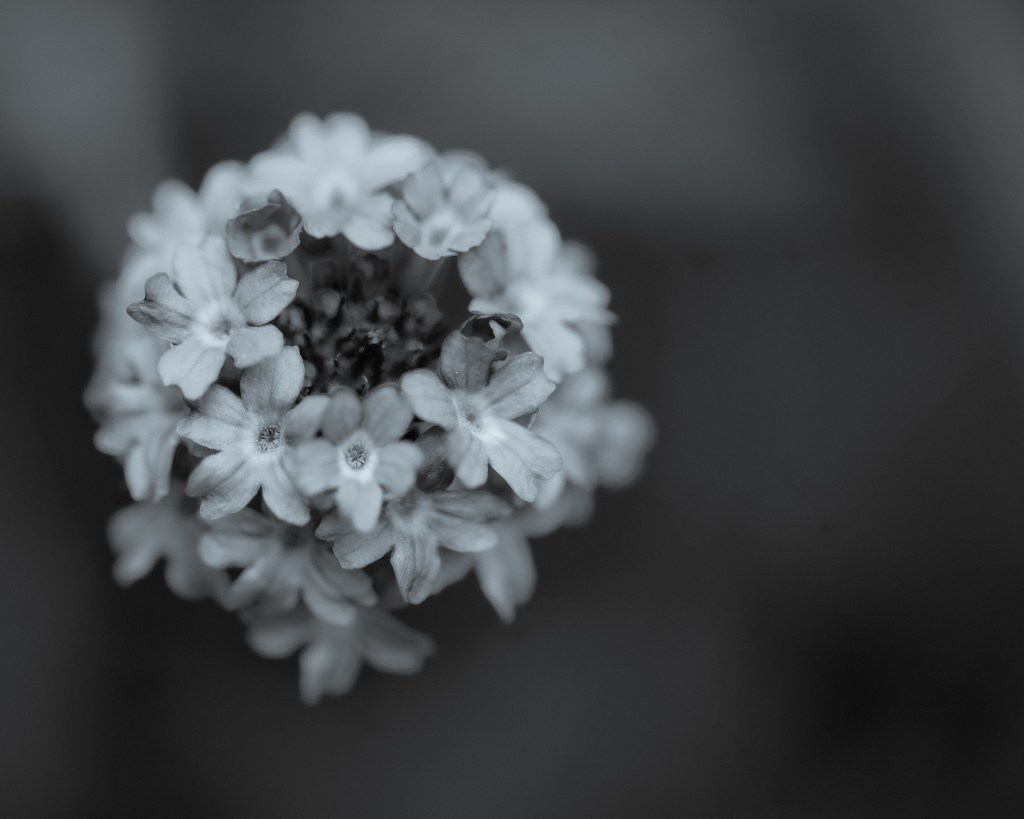
I have chosen to interpret the poem with six images of flowers, some of which I used exposure compensation, others I just took quite simply with a 50mm lens on an evening walk. I like to think the images are quite linear as is the poem, flowing nicely as a set. The images are by no means perfect, unstacked and taken without the use of flash, this in turn can lead to lack of sharpness and detail, yet in this instance ei feel the context suits certain soft focus. I also feel the images evoke the feelings that Hood’s poem does, capturing the flowers quite starkly in some cases, highlighting their inner beauty and individual personalities. The images were taken in natural light with varying whether, I mainly used a narrow aperture for detail, this sometimes led to needing high iso. I think the set could lead to many wondering which flower they would like to marry. I have processed the images into a square format, added some grain and used monochrome or sepia edits.
Reflection
This exercise can certainly be moved on and something I could revisit. In particular I like the effect of the sepia edits couple with subtle grain. I think some similar minimalistic shots in colour would also help create a slightly different narrative. The images could benefit form being slightly sharper, but I also wanted an aged film, soft focus feel to this particular set. I have chosen 6 images that in terms of content and edit sit well together and have a kinship with the meaning and contemplation of the poem. I can also see that the images bear an influence from some of my associated research. Sally Mann study if form couple with an aged aesthetic, the monochrome work of Francesca Woodman and Daido Moriyama. I also seem to drawn to a minimalistic composition and this could be linked to Mark Power who I have researched previously, yet with a more up close aesthetic such as the wildlife work of David Yarrow. I have also been looking closely at the work of Edward Chambre Hardman and Julia Margaret Cameron and have been taken by the use of soft focus, particularly Camerons ethereal female portraits. The aged look I have interpreted here could also be linked to my further research into historical photographic practice.
 Dan Towell OCA Context and Narrative