For assessment purposes I have chosen to use this piece of work from my learning log which provides evidence to support all of the associated learning outcomes. The following set of images I produced in this pdf were outside of the course framework, and evidence a selection of creative work that I also wish to submit for assessment.
Nicky Bird – Questions for Seller (2006)
I found the work of Nicky Bird very interesting and quite a personal topic that I agree deserves investigation. The fact that the images she sort were felt to have no significant value to the owner does represent how archival photography can become largely devoid. What Bird did was decide to bid on an auctioning site for unwanted boxes of family or historical photography which may or may not have been in possession of the relative author, operator, or subject. She also questioned the relative seller on the history of the auctioned images, where they came from, how they came to be in possession of them etc. Thus giving her unprecedented access to photography deemed invaluable or no longer required. This series culminated in a live exhibition where the associated images were re-auctioned for consequentially higher values. This in turn led to the argument of why these images were now perceived to have a higher value, having passed through the realm of artistic investigation. Are the images subject to an elevated status due to being exhibited? I would concur that, yes they probably are, but this doesn’t make it right or inherently wrong. These images will always be part of the artistic dissection that Bird undertook, and for that reason and the connotations undertook gives rise to the value of the images. Unfortunate and as discarded as the images once were, they now have a new place in the archival realm of photography, and will always be remembered as being so. The meaning of the images now after being collected and investigated in this way has significantly changed. They are forgotten memories that have given the artist a voice in questioning why and how our own heritage can so easily be cast aside. It questions the value we place on our family archives and why we often fail to realise this value until it is to late. It also raise questions of the ethics behind the social phenomenon that are the online auctioning sites and how easily we can now share and in fact sell these once personal and priceless artefacts.
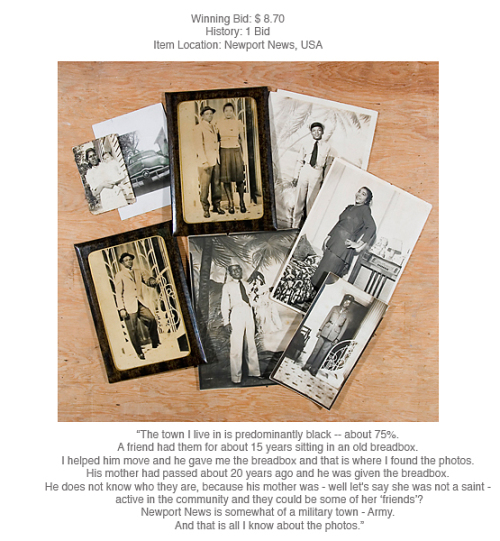
The images were exhibited with the answer given by the seller to Bird when she enquired for information about the background go the photographs. Along with asking valid questions about why some would now deem these image obsolete, it also investigates the fascination we have with vernacular family photography and its apparent vastness within the medium as a whole. In this instance it is worth noting that the context of this project lied not within the standard of the photography, the photography itself does not require investigation. Birds project investigates archival imagery in contemporary form, and raises many questions regarding their own context within the realm of the photographic history.
References
(ONLINE) https://nickybird.com/ (accessed 2/7/20)
(ONLINE) http://www.gsa.ac.uk/about-gsa/our-people/our-staff/b/bird-nicky/ (accessed 2/7/20)
(ONLINE) https://photoparley.wordpress.com/category/nicky-bird/ (accessed 2/7/20)
(ONLINE) https://www.youtube.com/watch?v=Wsg9TNj9_84 (accessed 2/7/20)
(ONLINE) https://www.youtube.com/watch?v=nY6iLfPVrxk (accessed 2/7/20)
Zoe Leonard / Cheryl Dune – The Fae Richards Photo Archive (1996)
The Fae Richards project involved a collaboration from the two artists named above, Zoe Leonard is a photographer and Cheryl Dune who is a film maker. The project initially involved a fictional character (Richards) whose life was documented through staged photographs. Richards was an African-American actress in the 20th century also involved in the civil rights movement. The character was based on archival records, which reiterated the lack of information about African-American women, leading the collaborated effort to invent one. The work goes a long way to highlight not only the truth associated with archive, but also ask questions of who and what is included.
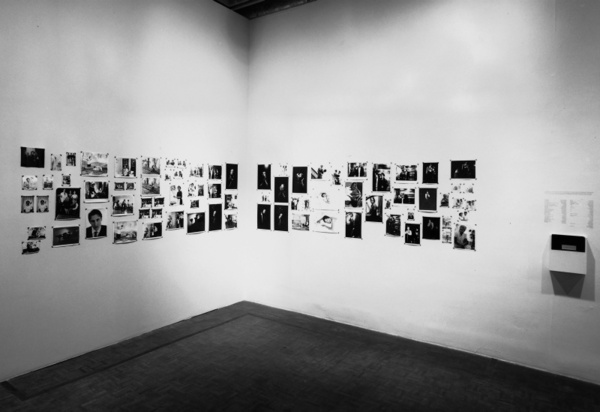
The photographic work in the project comprised of 82 staged images documenting Richards life from the early 1920s through to her old age. I would assume that it would have been a great challenge to reproduce these images in a historically valid way, props, lighting and camera equipment would have played an important role. It is interesting to evaluate and investigate work of this nature as this archival study which is entirely fictional is also entirely new to me. It gives me further understanding to how far artistically the photographic medium has already been taken.
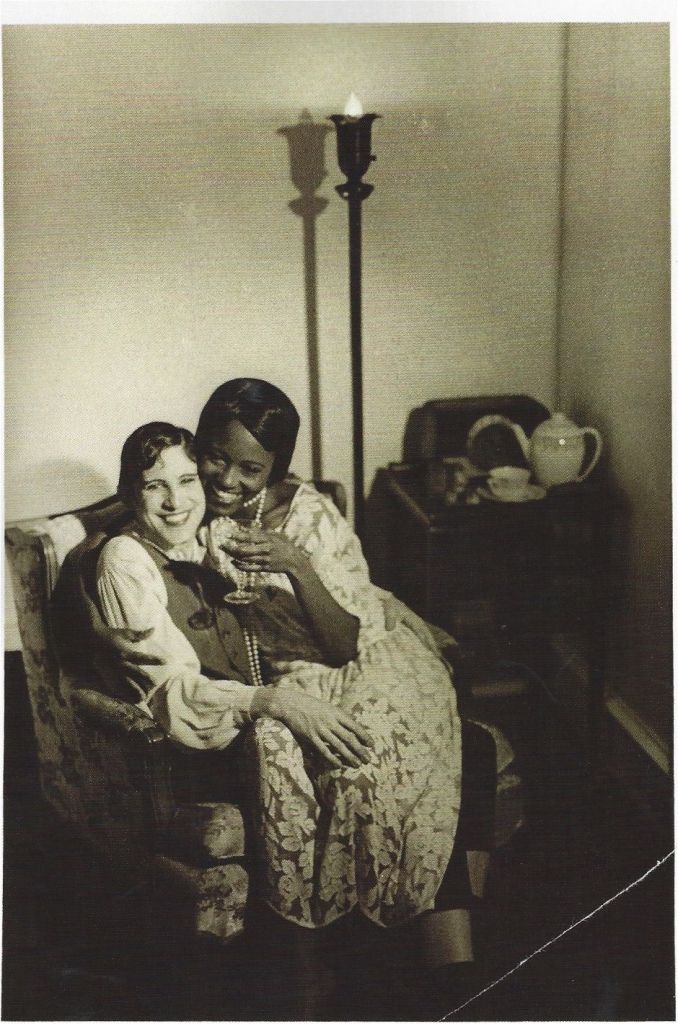
- use of grain for film like aesthetic
- snapshot style composition / unprofessional aesthetic
- seems to be some front lighting illuminating the face of white female
- minimal content / props
- harsh shadows created by quite a cold light
- crease to right of frame for archival look / aesthetic
- looking downward toward the subject adds to the sense of an unprofessional photograph
- minimal content further isolates and narrates the subjects and their lifestyle
Research
Historical references / archival information are largely separated into two categories, written and non written, highlighted below. These can also be placed into further categories of primary and secondary sources.
Written
- letters
- autobiographies
- diaries
- newspaper articles / magazines
- poems
- books
- meeting minutes
- government documents
Non – written
- interviews
- films
- plays
- photographs
- clothing
- tools
- recordings
- buildings
- music
This information is largely in the care of associated historians and kept in archival form in museums, personal family estates and libraries. Who is in or indeed “out” of these historical, archival information (regarding whatever it may be) I would assume is open to some level of scrutiny. I would also believe that largely people of prominence culturally and or socially are used in documenting the relevant, associated historical material, which is largely disappointing but perhaps expected.
References
(ONLINE) http://www.archivesandcreativepractice.com/zoe-leonard-cheryl-dunye (accessed 2/7/20)
(ONLINE) https://en.wikipedia.org/wiki/Archive (accessed 2/7/20)
(ONLINE) https://en.wikipedia.org/wiki/Recorded_history (accessed 2/7/20)
(ONLINE) https://www.nga.gov/features/exhibitions/outliers-and-american-vanguard-artist-biographies/zoe-leonard.html (accessed 2/7/20)
(ONLINE) https://academic.oup.com/past/article/230/suppl_11/9/2884268 (accessed 2/7/20)
Personal archives
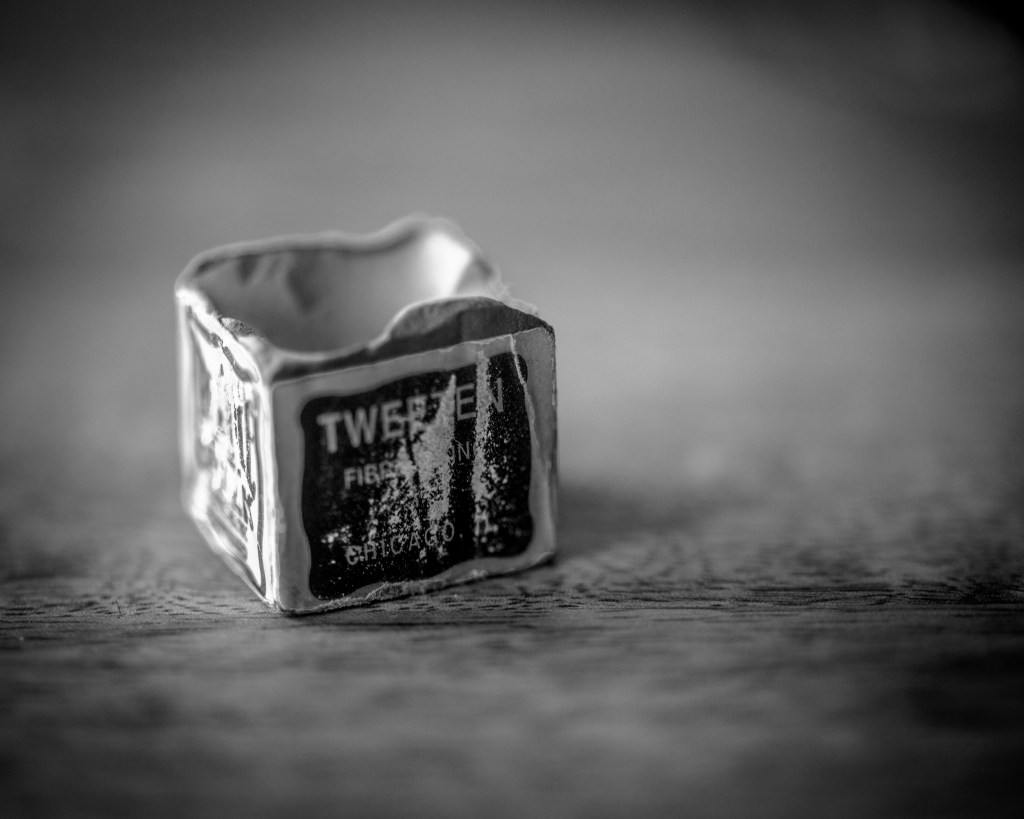
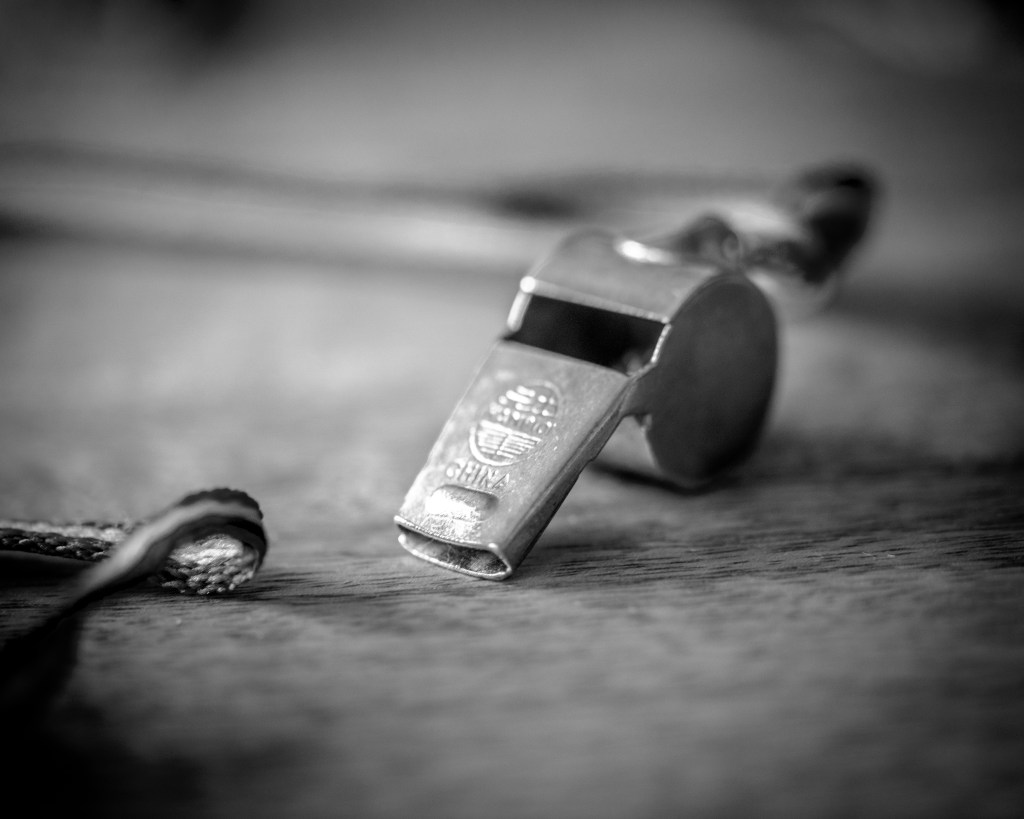
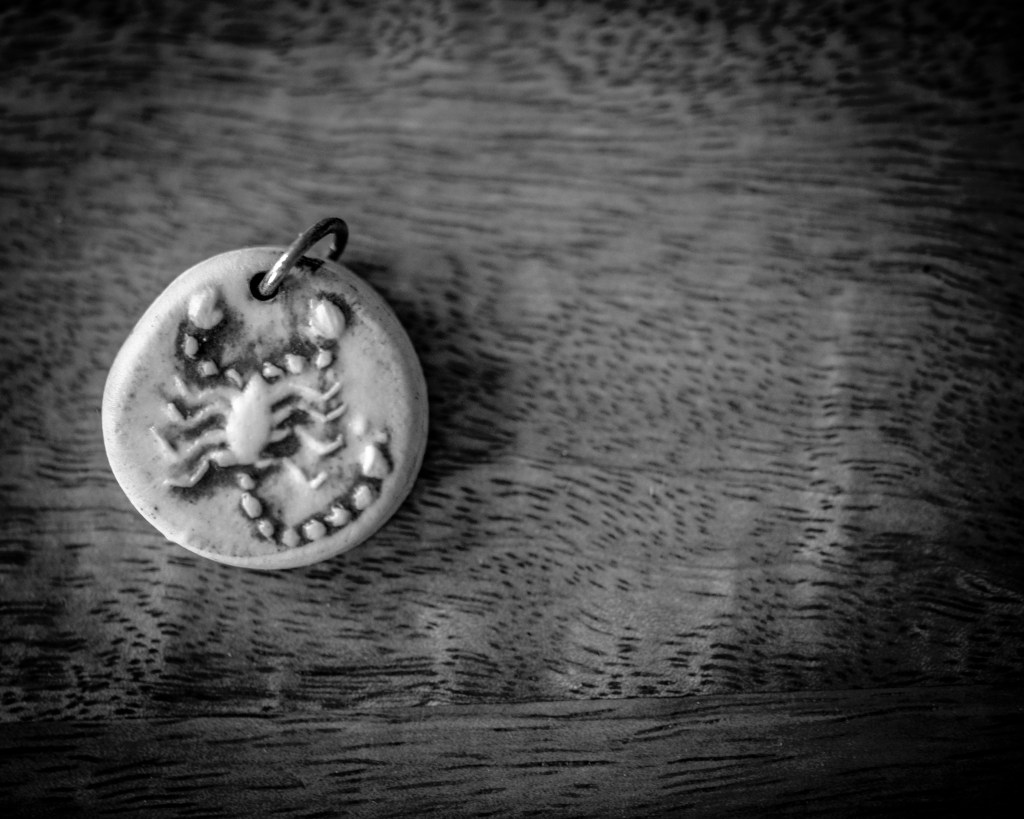
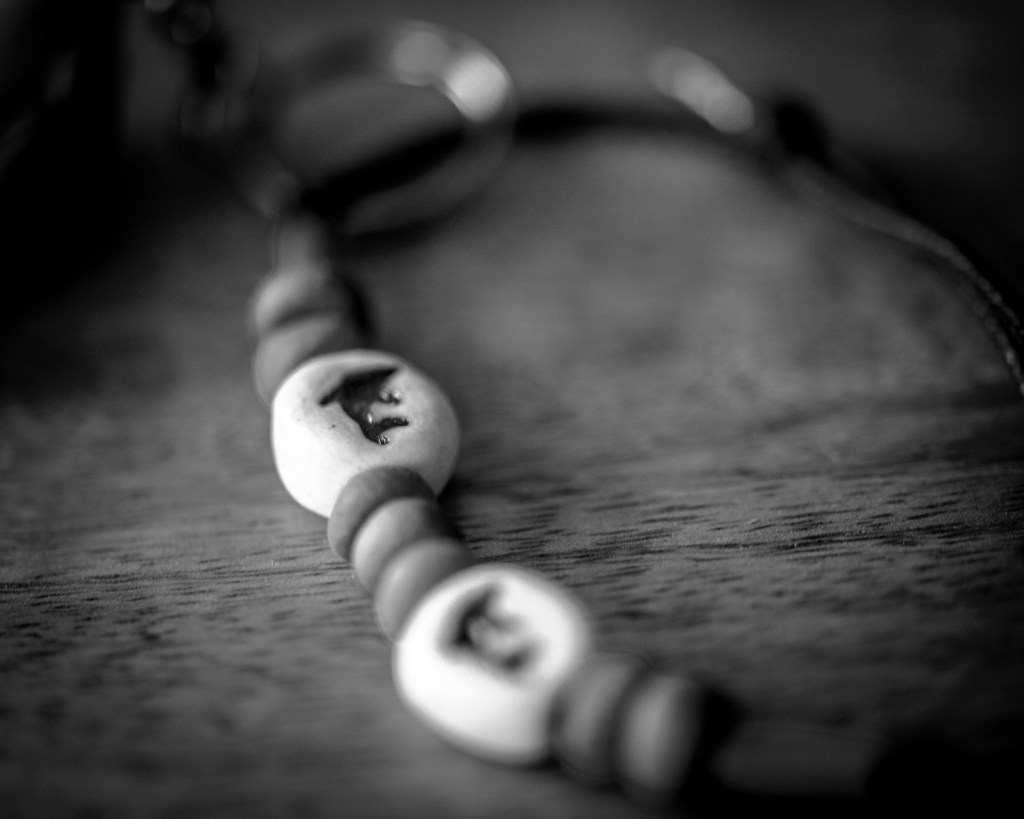
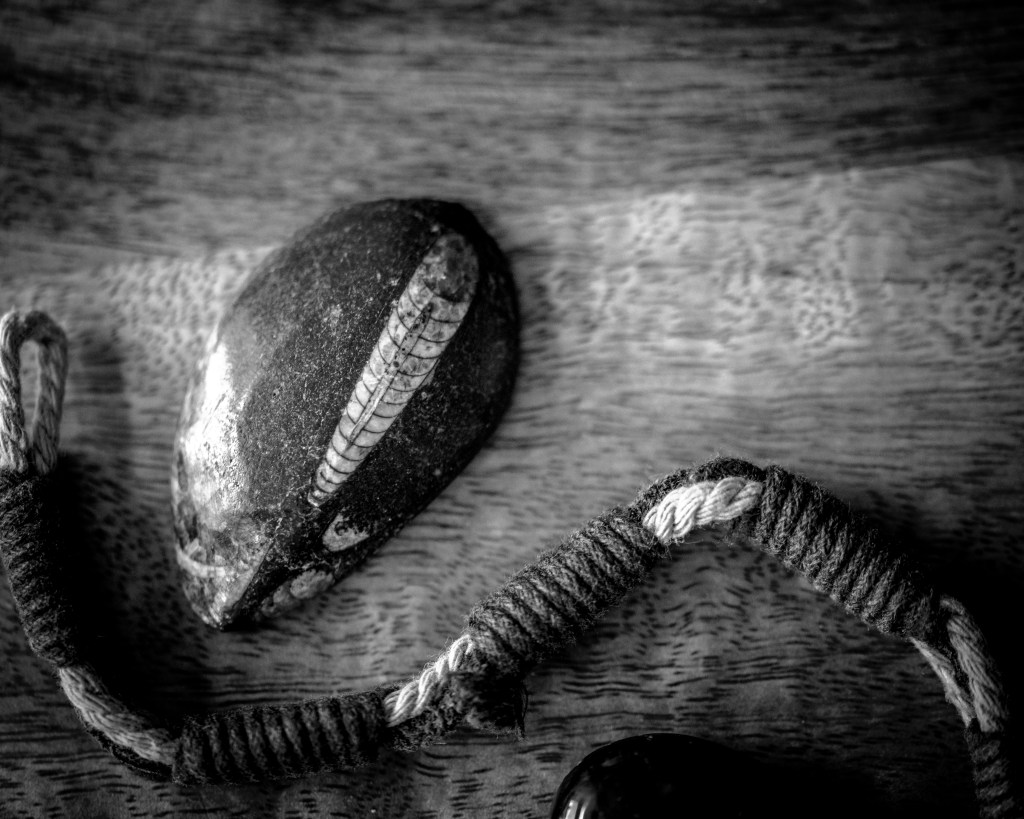
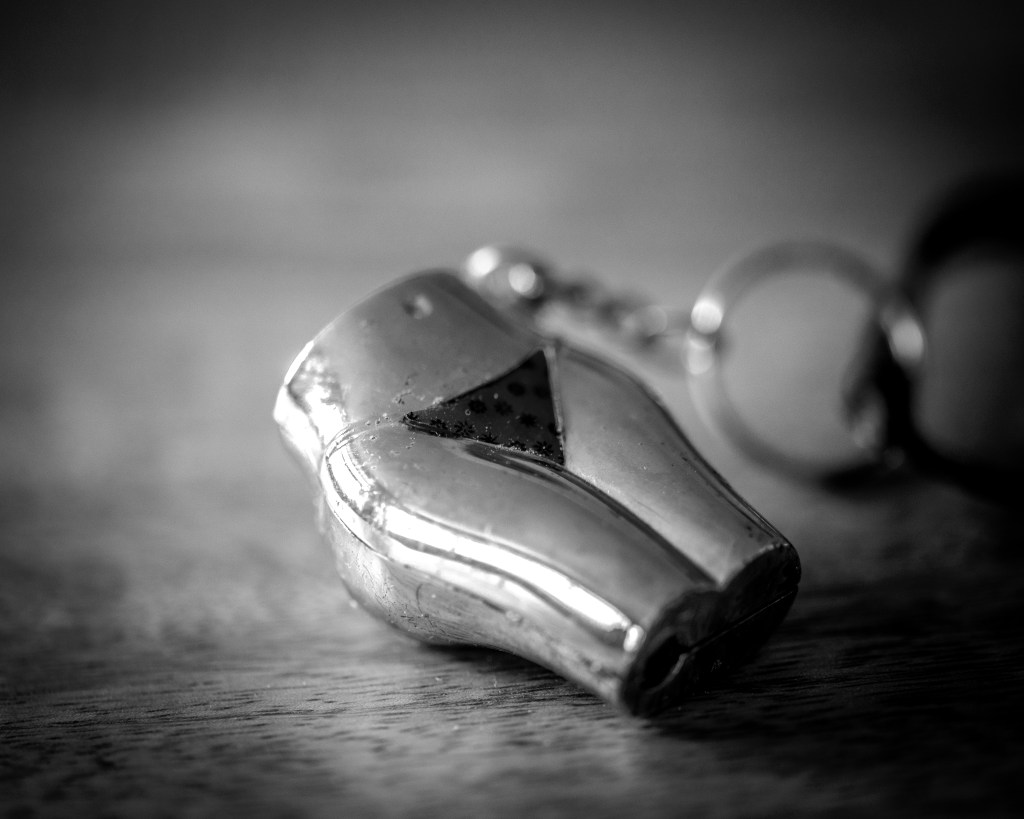
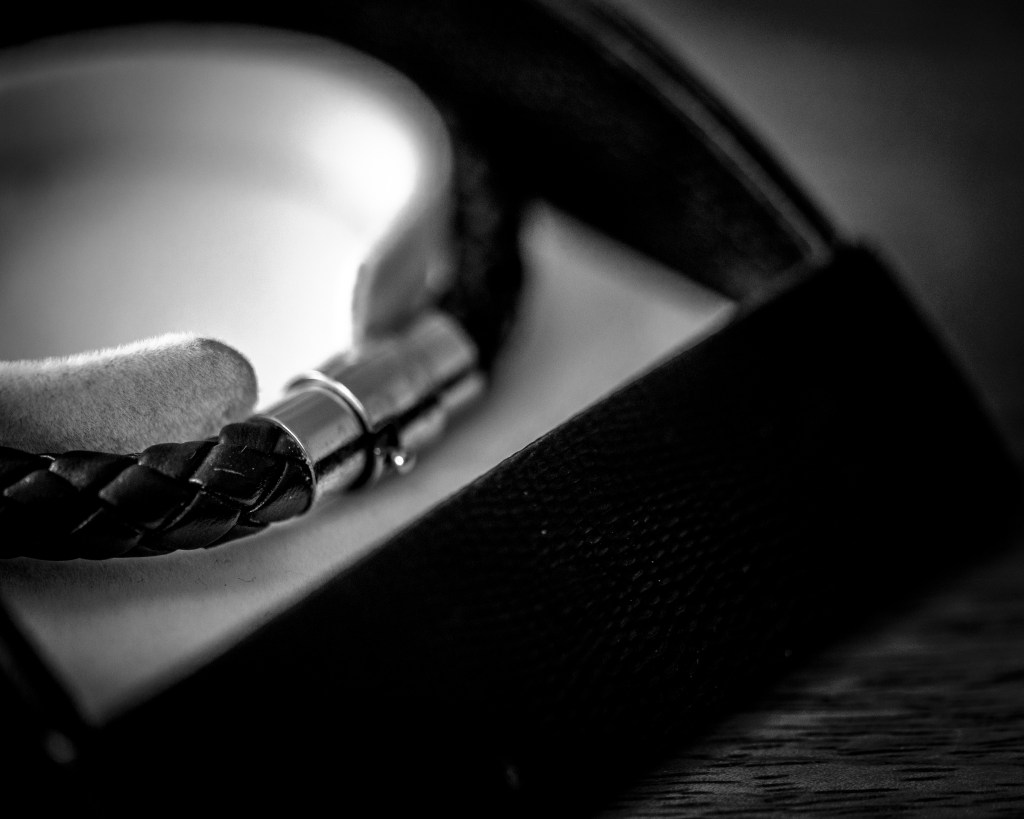
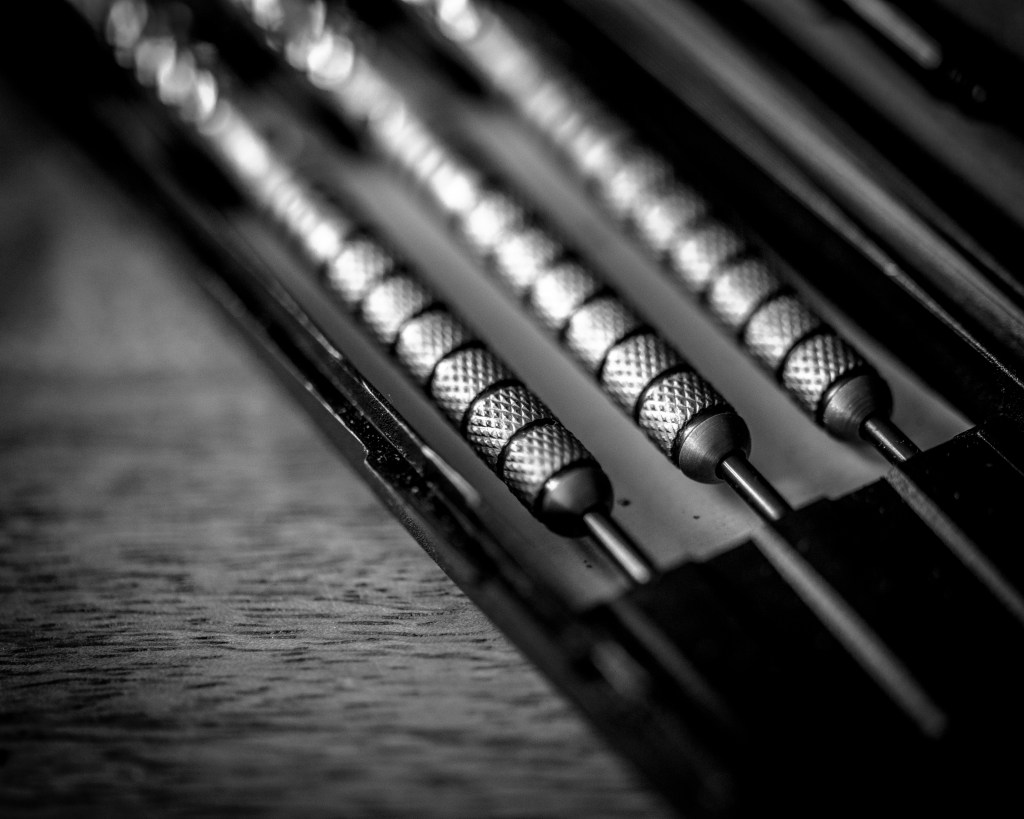
Along the journey of this set of course work I have acquired a new found interest in self portraiture and archival photography. It is funny that at this point the question is asked if I have any archives that I have access to. I had already drawn up the initial idea of photographing my old belongings, the weird and wonderful “stuff” we accumulate from our wanderings, some interesting, some absurd, but most we refuse to somehow throw away due to an emotional connection. This is often due to sentimental reasons, but I also wanted to explore the portraiture narrative that could also be represented in a photographic way. An exploration in self portraiture through archival objects and things often stowed away in a box in the attic. I had already retrieved my box from the attic which holds pretty much at one point my lifelong possessions. I am fairly sure in the not to distant future this will become a more elaborate project of some sort, it could evolve in many different ways and that is both exciting and interesting. Below is a snapshot of the box in the attic that at one point held pretty much all I had. Does or even could a connection get much greater than that?
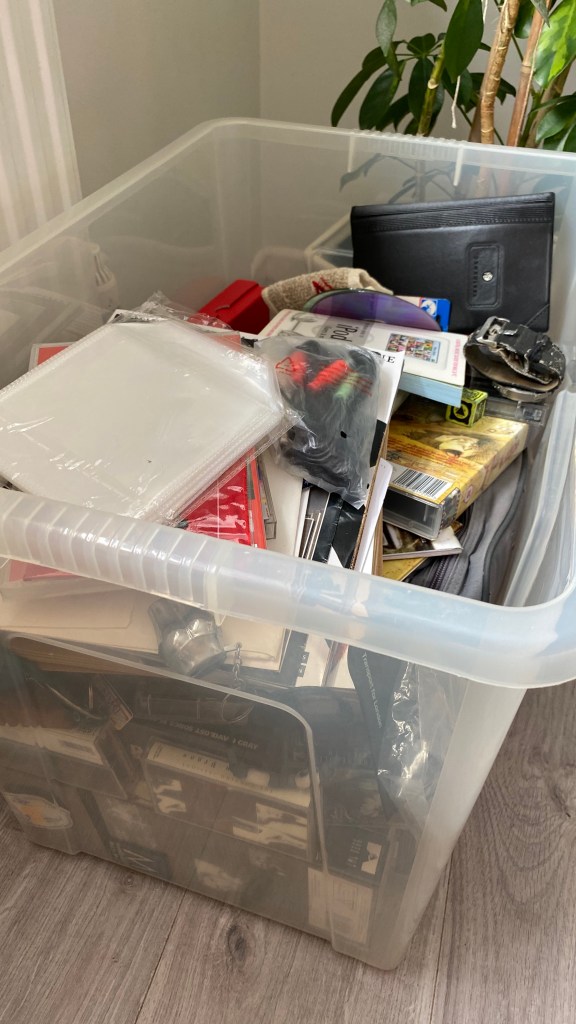
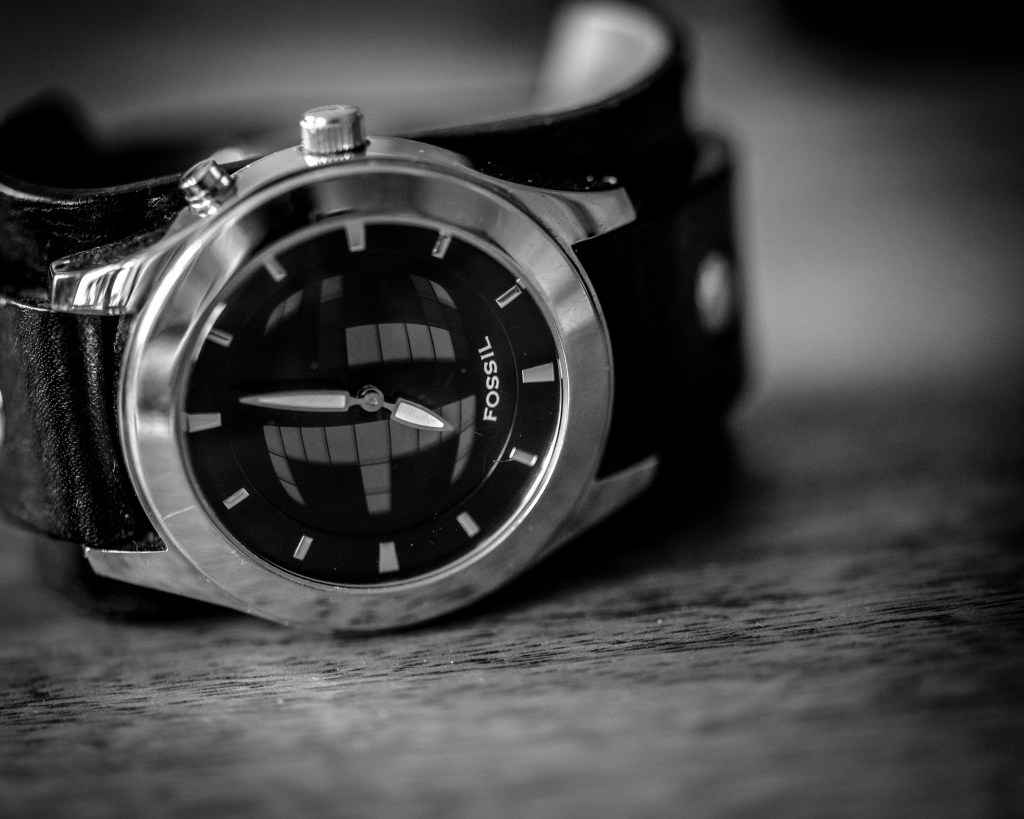
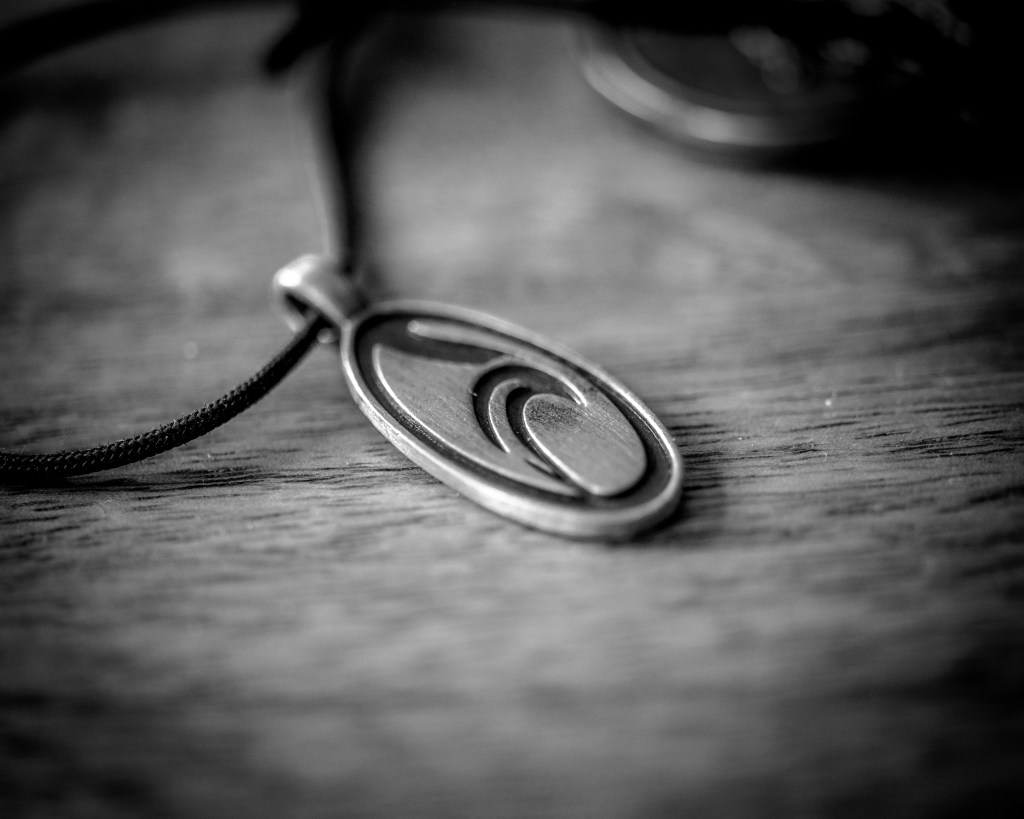
I decided to have a little play with this project whilst I was awaiting feedback on my 3rd assignment. I worked in natural light which was quite cloudy and naturally diffused. It gave me a chance to experiment with styling and depth of field.
Contact sheets
For the purpose of assessment I have provided a separate pdf for my contact sheets titled – Contact sheets – Artefacts.
Final images
Artefacts
Reflection
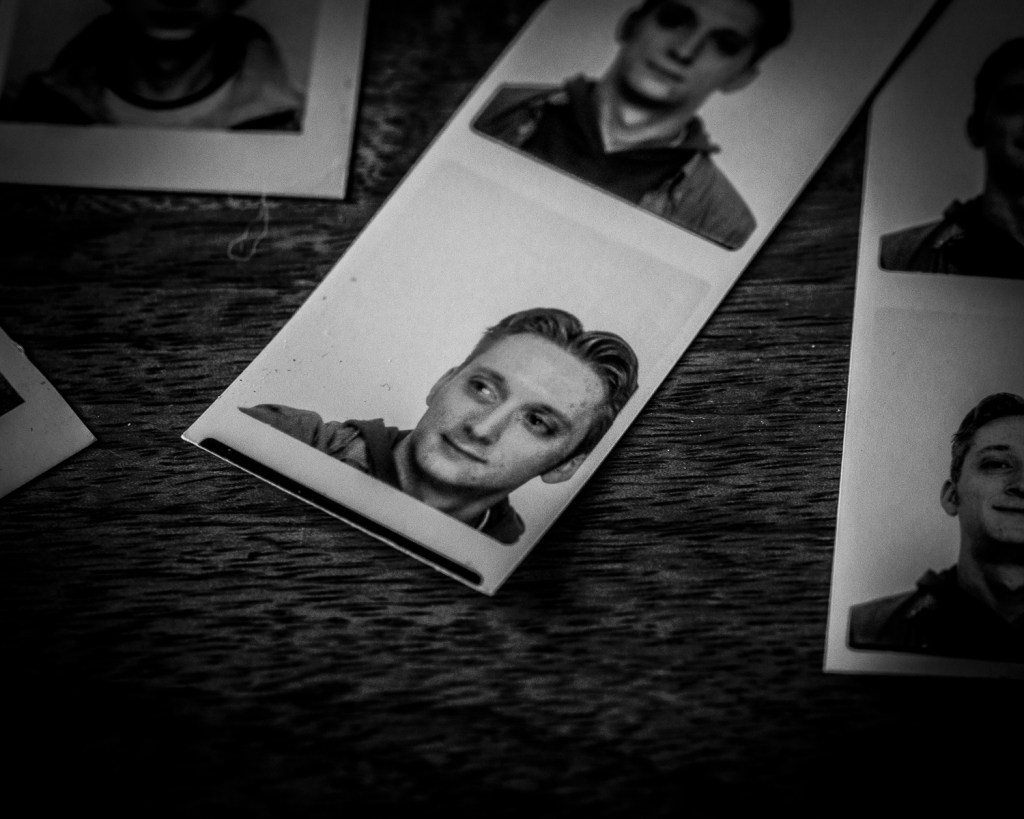
I had to tweak the set a few times and the biggest challenge was tying the ideas together that in some way seemed to “fit”. I omitted a few that didn’t sit well and had to revise a couple of edits. I also had to move images around to form what I see as a nice coherent flow. I like the juxtaposition of the last image and it seems to summarise the project well. While I like some of the images and some have worked better than others, I feel that more images could and should have been taken. In reality I spent around 45 minutes in the shooting of the archival material, and this should have been much longer. Some of the depth of field is to shallow and just doesn’t seem to fit right. For example the first watch image looked good initially but when I came to process it just doesn’t seem quite right. Perhaps in this instance it would have been of benefit to shoot tethered. The body of work was shot on my D800 with amSigma 105mm f2.8 macro lens.
Demonstration of technical and visual skills
I used my nikon d800 paired with my 105mm f2.8 macro lens for this set of images as I felt necessary to use a wide aperture in order to create a shallow depth of field, and enable me to get close to my subject. In planning I wanted to create a strong focus point which would then fall away quite quickly, adding to the sense of mystery and isolation of the main subject. I believe the images also provide a demonstration of an entirely different technical approach than much of my other work, and a challenging way of working with the 105mm lens.
Quality of outcome
I am more than happy with the quality of the outcome of this project and do feel that the black and white edit reiterates the narrative well in the series. I wanted a body of work that was personally linked to me, and other than a self portrait, I cannot perhaps see a way of looking at my own sense of being in a more honest or individual way. My technical approach working with natural light has helped to convey a sense of personality and honesty in the subject matter, which is also emphasised by my choice a textured wood background.
Demonstration of creativity
The creativity in these images here relies on subject matter, it was an exercise in photographing items that are inherently banal yet absolutely personal. I shoot the subjects in portrait like fashion, close up, and playing with minimal compositions. In some cases I placed items to off centre in the frame against a purposely neutral background. The final image of a photograph of a photograph is something I have never attempted previously, yet in this series has quite a powerful impact to finalise the set.
Context
The context of this set of images was to explore my own personal archive through the photographic medium. Through my continued research I became interested in personal archives as well as my own archive of photography. Over the course of researching this topic I revisited much of my own historical photography, revisiting snapshots and more personal vernacular photography, which I contextualised and processed considering my current mental model. This further fuelled my idea to explore personal archival items, combined with an attempt to narrate a story through quite ordinary subject matter. In retrospect even though the subject matter is so obviously banal, the context becomes more profound and equally challenging photographically.
 Dan Towell OCA Context and Narrative