Research
Before I began to look at the work of Elliot Erwitt and in particular his series of Dog images, the question was posed of “can you think of any photographs that are not used asa means of expression or communication?”. An interesting point and one that I personally find difficult to evidence. For me most if all photography is a means of expression, and if it isn’t then it is surely to communicate an idea or them.
I can only seem to think of certain vernacular types of photography that would not seem to express anything or communicate. Could the school photograph taken as a headshot communicate or express? Well I suppose it communicates who you are at that specific time. Could it be said if you search long and hard enough into the abyss of an image you would find some form of expression or communication? This seems to be a topic I cant see to find a definitive answer and it continues to puzzle slightly.
Whilst I was working on my previous assignment I was asked to reproduce an image from my childhood. Looking at some of the images they could fall into the category or not communication or expressing initially, but on further digestion they actually do. I would call all of the images I have shared below as vernacular, and of little meaning other than being a snapshot. Are they are form of expression? No I would not say so. Do they communicate anything? Well, no, not really. But that being said they do communicate information, albeit pretty basic information such as this is me, this is you, and this is us on holiday.
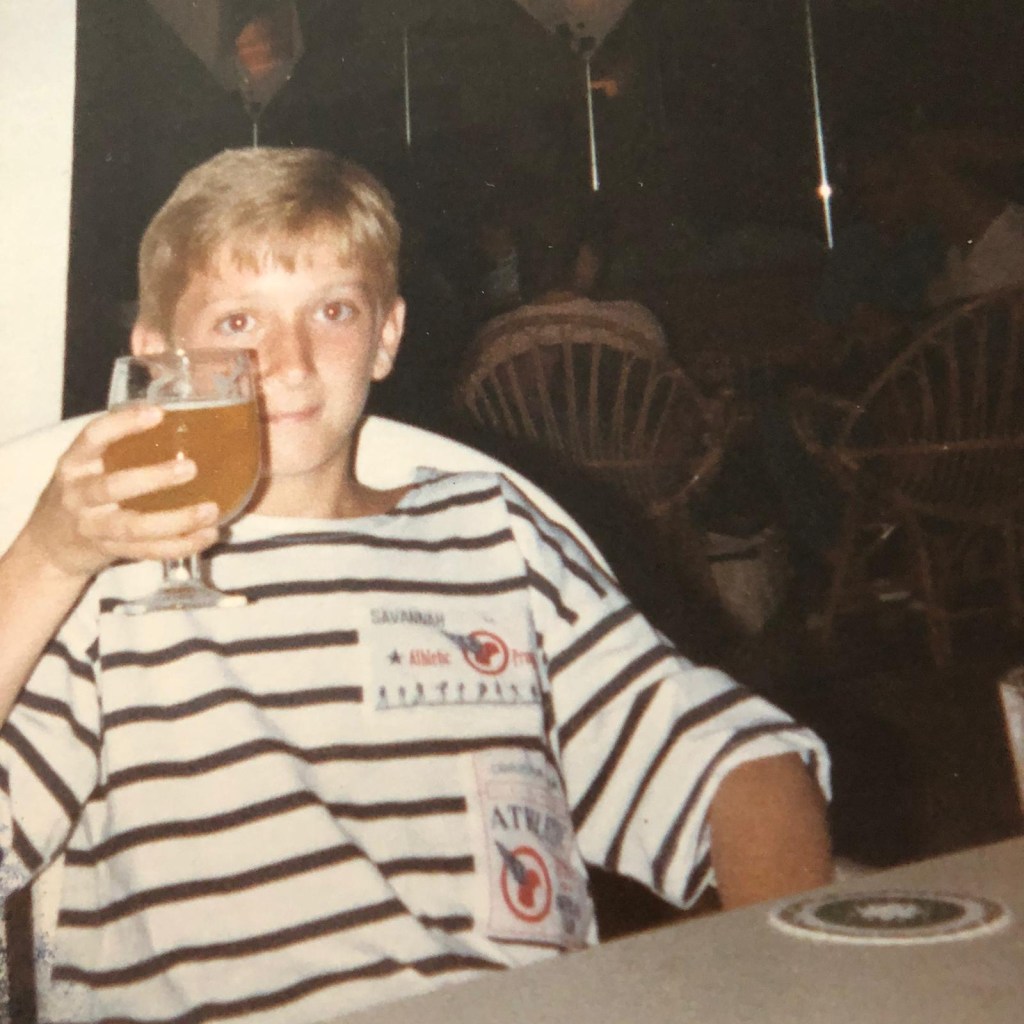
Myself on holiday, to young to drink I might add.
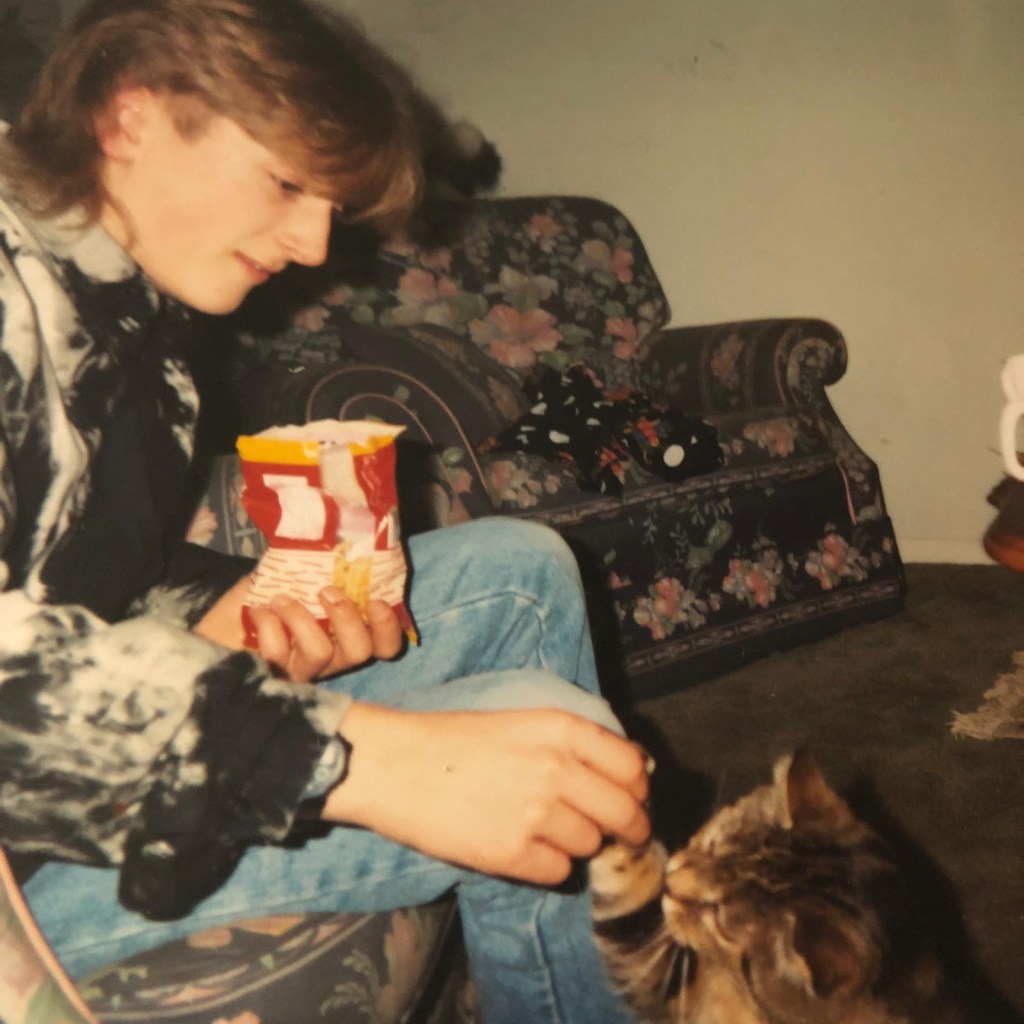
Myself feeding a cat crisps.
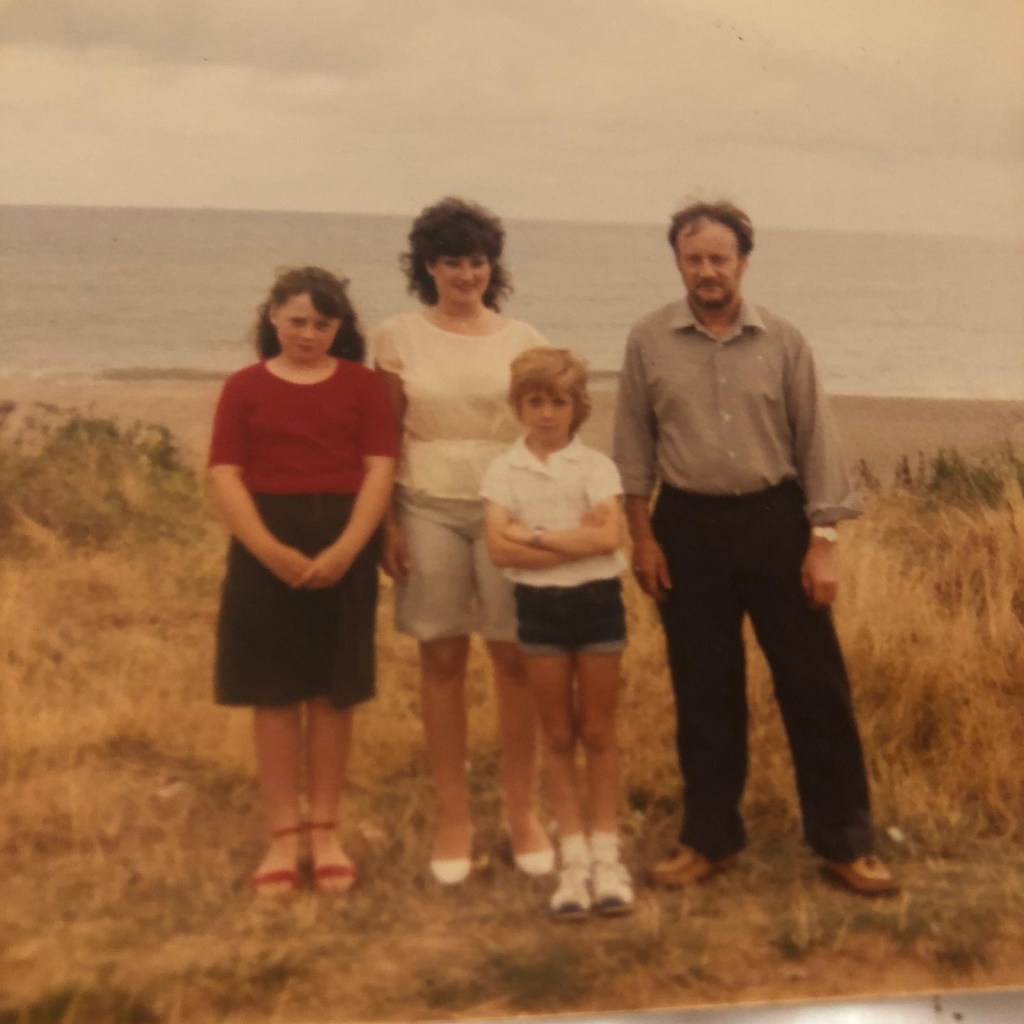
Myself with some of my family on holiday. We look happy. Affection was never particularly a strong point.
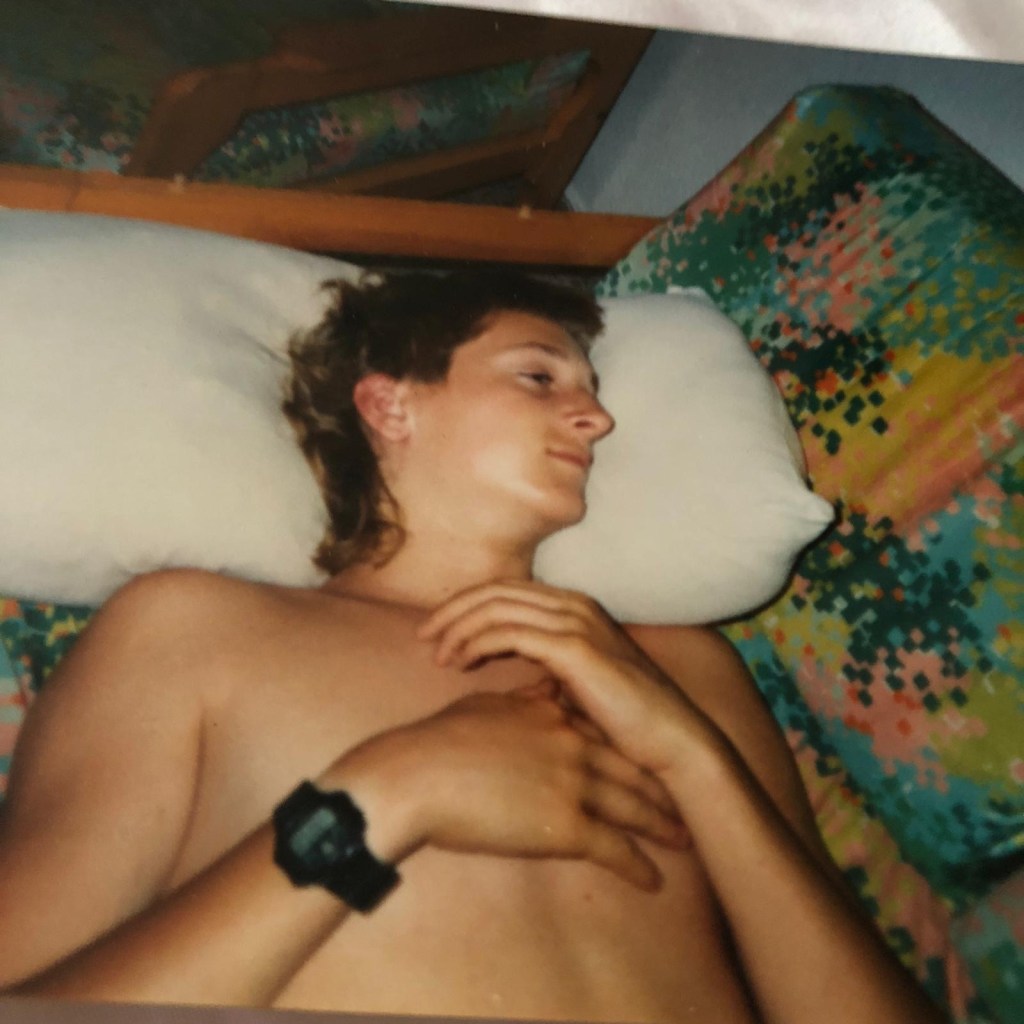
As close as nothing to say or communicate as I can think of.
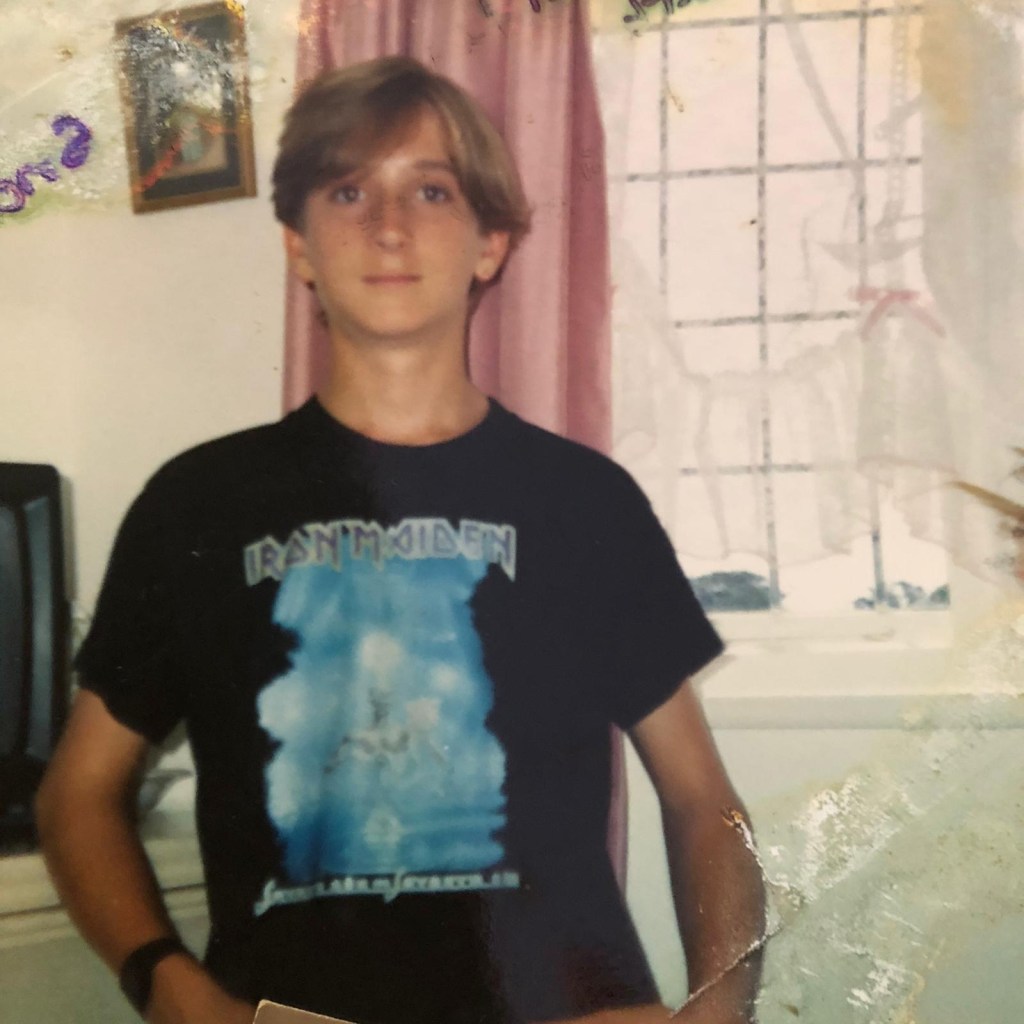
“I am a rock fan”
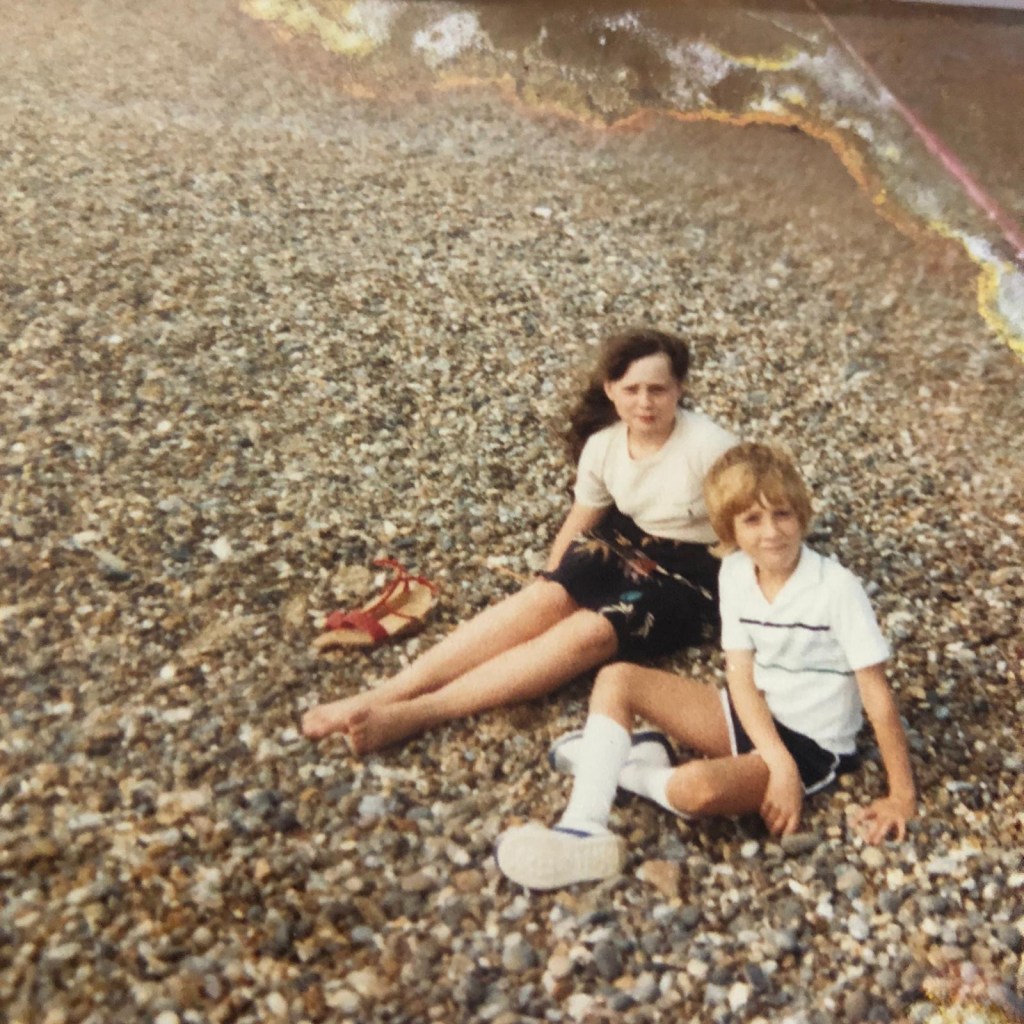
Myself and my sister, the original image has been damaged by a water leak.
Whilst all of the images above do say something if not very much, I cannot confirm the question of photography without expression or communication as being true.
Erwitt Images / Dogs
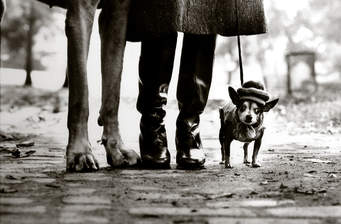
I took a little bit of a deeper look into Elliot Erwitt and his work before I attempted to analyse the below photograph in this exercise. It was interesting to listen to Erwitt discuss some of his work in a photography seminar that was available on YouTube (reference below). Erwitt described himself as a “professional” photographer, that being said he said a lot of his work was taken in a more “amateur” capacity, often images captured to and from his place of work as a Magnum photographer. I think this takes great impact on how we then start to read his images, and in particular the image below. Remove oneself from the notion that we are looking at the work of a “magnum”, elite photographer, but as someone who is shooting things that they have a passion. for in artistic terms. In this case, yes it was dogs, Erwitt describes himself as a dog lover and it was this passion that led him to document dogs with his camera. Where the project eventually became published in the form of books and exhibitions, it seems that the work did not necessarily start out that way. His published body of work which was shot predominantly in New York was a perhaps more of a pastime, an opportunity for him to explore the things in a photographic sense that interested him. I believe it was this more relaxed approach to his photography that led him to experiment and explore the sub culture that was bustling around him. In turn a more informed background knowledge of Erwitt and his photographic workflow informs us with a slightly different approach when reading his work.
Structure
The image structure here would lead us to believe that Erwitt is at ground level, it seems clear that he wants the small dog to be the main subject in the frame. I would evidence this by the way the little dog is looking directly ahead at Erwitt’s camera, and this would suggest that we are not looking at a heavily cropped frame. I would assume that Erwitt spotted an unusual set of circumstances and asked permission from the owner to photograph the little dog. Unwittingly the owner then allows for the ambiguous nature of the image to be photographed and although unseen, she is extremely important in the frame. She adds the human element that we need, that connection of the dog and its owner that we are so keen on, that feeling that the dog and the owner are one. A wide depth of field isolates the subjects, and the front legs of the larger dos completes a relatively simple composition. One is left wondering where the gaze of the larger dog and its owner is fixed, again this adds to the ambiguous nature of the shot. The way the image is composed creates a diagonal from left to right, as the legs draw the eye down to the little dog. A slightly angled head of the little dog also adds to the intrigue within the frame.
The image
What exactly is the image here “saying” ? A multitude of things perhaps, and the meaning of such an image certainly evidences the way we interpret and transplant being largely arbitrary. I can only suggest what the meaning of this image is to me. This may not be the same for everyone and it could mean that I have missed the point. But what is the point? There could be a class message here, it is well documented that often the “toy dog” is used as a status symbol for the upper class. Is Erwitt by way of the image poking fun at the upper class, almost saying this is “how ridiculous you look”. Or perhaps it is a more documentary approach that the image is taking, merely a suggestion of how different types of dogs are such a important aspect of everyday life. Documenting companionship and in doing so taking the opportunity to look at the wide spectrum of breeds within society and in particular NYC. It is difficult to remove oneself from the notion here that this is some sort of class symbol at work here, using the stature of the big dog to enhance the message of the little dog. Empasising the upper class stereotypical mentality of look at me, “I am here”.
Structure and meaning
The structure of the image goes along way to reinforce the message and it’s meaning. It could be said that the omission of the large dog would not undermine the message, but it cant be denied it goes along way to make it more complete and powerful. This image is about little and large, right? The grand and the small, the mighty and the weak, the scale of size, it’s a long way up! To my mind it is a clever and bold way in denoting hierarchy and its role in society. I can almost feel a message of “you are here and lucky to be walking with us” being passively reflected by the owner to the little dog, almost echoing the thoughts of the so called upper class. Does the little dog feel like an arm around the shoulder of the lower class, a symbol of you are among us, but we are in charge, don’t forget who’s boss? That being said I agree that Erwitt is taking the time to point out things or in this case a little dog, that is most probably often overlooked. Turning the camera on the class system and giving attention to the much maligned and often ignored. It has to be noted that this image sits in a body of work of canine images and that in turn leads us to realise Erwits love for dogs and their place in society. Perhaps what started as a more of a joke, has become an image that carries a very different message than the one initially intended. I believe that this can be said for images and photography as a whole. As photographers we look at our own images and try to understand what our subconscious is trying to say. We have to ask ourselves, why did I take that, what do I want this image to show, what can I say by use of this image? It is often the process of afterthought that really defines the message of an image. Often that is when framing, cropping and process of an image creates and defines the overall message that is summed up by the photographer.
The below images are for artistic reference only.
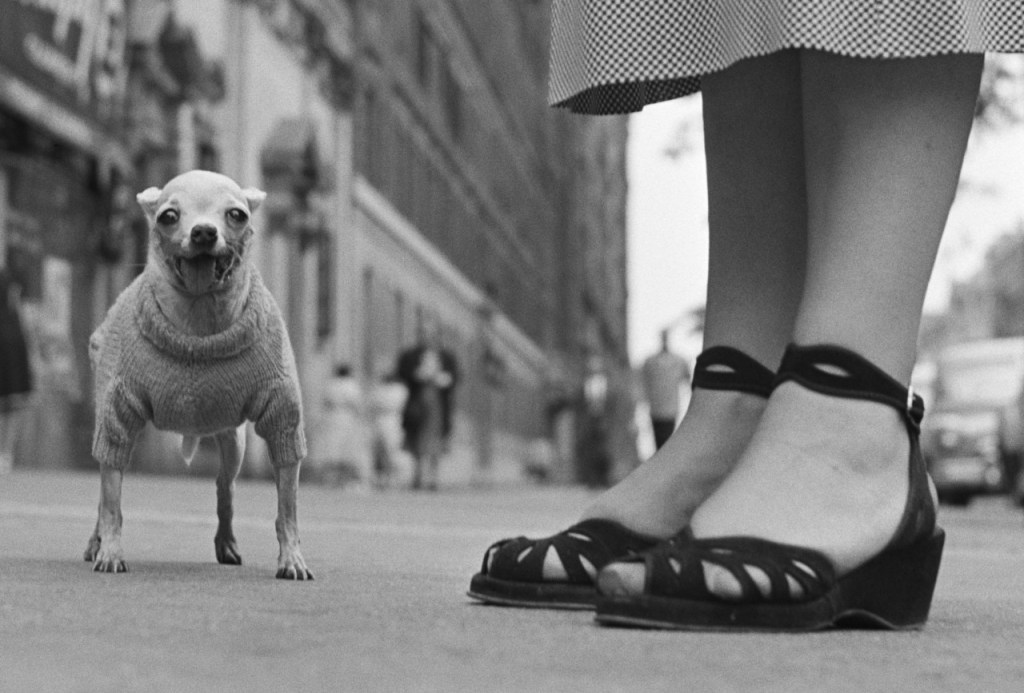
Another little dog image here, but this seems to have a much more affectionate and light hearted theme. The happy look on the dogs face reinforces the attention that he or she is getting from the camera, and the legs of the owner do little else than suggest scale.
References
Reference – (ONLINE) Elliot Erwitt – https://www.magnumphotos.com/arts-culture/art/elliott-erwitt-dog-dogs/ (accessed 25/6/20)
Reference – (ONLINE) Elliot Erwitt – https://www.magnumphotos.com/photographer/elliott-erwitt/ (accessed 25/6/20)
Reference – (ONLINE) Elliot Erwitt – https://en.wikipedia.org/w/index.php?title=Elliott_Erwitt&oldid=962328519 (accessed 25/6/20)
Reference – (ONLINE) Elliot Erwitt – https://www.youtube.com/watch?v=qCxI_eSb0jE&t=239s (accessed 25/6/20)
Reference – (ONLINE) Elliot Erwitt – https://www.youtube.com/watch?v=TJjlou-dUYo (accessed 25/6/20)
 Dan Towell OCA Context and Narrative